Home / Services / Rollers and hinges
Garage door rollers and hinges in Sarasota
The loud door is usually rollers and hinges, not a new door.
- 13-ball nylon rollers
- Hinges matched to each section
- One visit, one call-out
- A nylon roller running quietly in the track.
- The hinge across the joint between two sections.
- A worn steel roller with a flat spot: the usual noise.
Is this you?
Signs it’s the rollers and hinges
A rumble as it travels
Steel wheels in a steel track, and every flat spot comes through the door.
Wobbling rollers
A worn bearing lets the wheel lean in the track and grind.
Hinges cracked or loose
Worn at the pin, so the sections knock as they turn the bend.
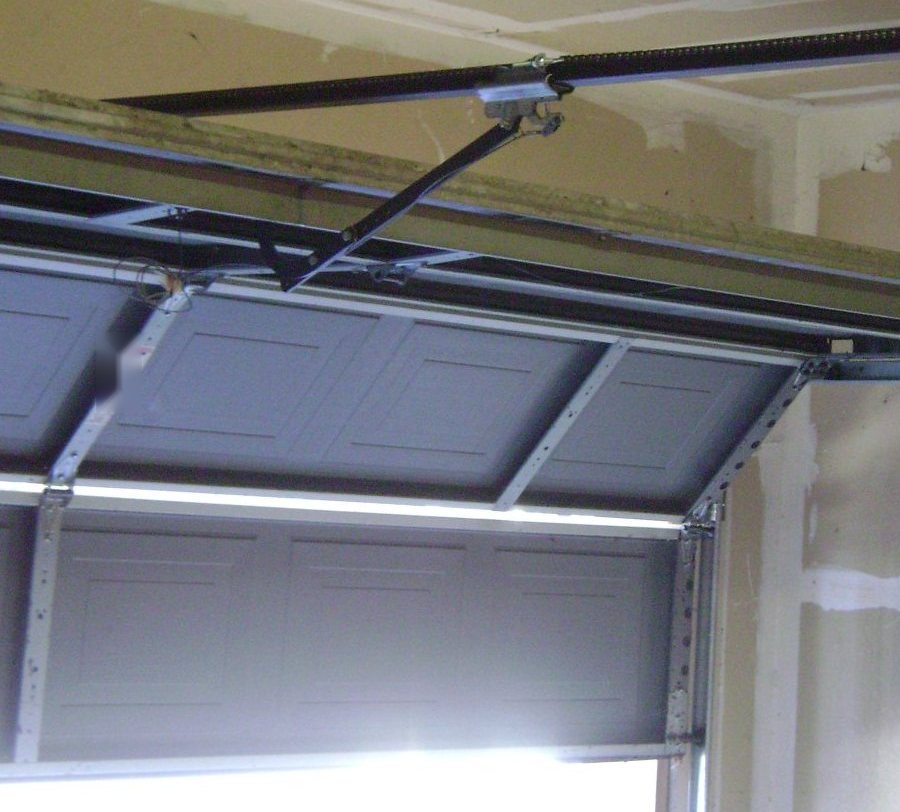
Inside the door
Where the noise comes from
Inside the garage you can see it: the hinges on each section joint, the struts, and the track the rollers run in. Steel wheels running in steel track pass every imperfection straight into the room above.
A nylon roller has the same bearing with a quieter wheel. Ten of them and a set of hinges transform most doors, for a fraction of what a new door costs.
How we do it
How we quiet a door
Listen to it run
Rollers, hinges, the opener chain, or a spring? Each sounds different.
Rollers out, nylon in
Ten 13-ball nylon rollers on a standard double door.
Hinges matched
Each hinge is numbered for its section; the right one goes back.
Lubricated and tested
Bearings and springs oiled, then the reverse test with you watching.
What it costs
What rollers and hinges cost
The visit is $89. Rollers and hinges together are one visit and one call-out.
Attend and diagnose
$89.00, including the balance test and both safety tests.
Ten 13-ball nylon rollers fitted
$130 – $170 including the rollers, on a standard single or double door.
Full hinge set
$110 – $180 depending on the number of sections and whether the end hinges go with it.
Rollers and hinges together
Done in one visit for one call-out, which is most of why the pair is worth doing at once.
Bearings and shaft service
$45 – $80 where the end bearings or the center bearing plate are dry.
The details
For the people who want every step
Why nylon is quieter than steel
A roller is a wheel on a stem, and the wheel rides inside a folded steel track. On a builder-grade door that wheel is steel, often on a plain sleeve bearing or a small number of loose ball bearings.
Steel on steel transmits everything. Every seam in the track, every speck of grit, every slight misalignment at the bend arrives in the room as noise, and because the door is a large flat panel bolted to the same structure as your ceiling, the door works as a soundboard for it.
A nylon roller has a sealed ball-bearing race and a plastic wheel. Two things change. The contact between wheel and track is quiet in itself, because the nylon deforms slightly and damps the impact rather than ringing. And a sealed bearing keeps grit out, so the roller keeps rolling instead of gradually seizing and starting to skid.
That last point is the one that matters mechanically rather than acoustically. A seized roller does not roll; it drags. It wears a flat on itself, it scrubs the track, and at the radius bend it is the thing most likely to climb out and take the door off track.
Count the bearings
Nylon rollers are usually sold as 7-ball, 10-ball or 13-ball, which is exactly what it sounds like: the number of ball bearings in the race. More balls spread the load, so the roller runs smoother and lasts longer. On a residential door we fit 13-ball as standard. The difference in price across ten rollers is small and the difference in life is not.
Hinges, and the number stamped on them
Look at the hinges along the middle of your door and you will see a number stamped into the steel: 1, 2, 3 and so on. That number is not decoration. It sets the depth of the roller carrier for that position in the door, so that each section sits at the correct distance from the track as it goes round the bend. A number 2 hinge in a number 3 position will make the door bind, and it is one of the more common mistakes on a door that somebody has repaired quickly.
Hinges fail by elongating. The pin wears the hole into an oval, the section gains a little play, and the door starts to knock as it changes direction. On a door with a worn hinge set, the sections also stop meeting squarely, and you begin to see daylight at the joints from inside.
The end hinges
The hinges at each end of a section carry the roller as well as the joint, so they take both the hinge load and the lift load. They wear first, and a cracked end hinge is a real problem because it lets the roller wander. If one is cracked we will show it to you.
What we do not do
We do not spray the tracks with lubricant. A track is a running surface, not a bearing, and oil in it collects grit and makes an abrasive paste. Rollers, hinges, bearings and the spring coil get a light lubricant; the track gets wiped clean and left dry.
We also will not sell you rollers as a fix for a door that is out of balance. If the door is heavy, that is a spring conversation, and quiet rollers on a heavy door are still a heavy door.
Questions
What people ask us about this
The door is loud enough to wake the house. Do I need a new door?
Usually not. The noise almost always comes from worn steel rollers, hinges worn at the pin, and a loose chain. Ten nylon rollers and a set of hinges quiet most doors for a fraction of the cost of anything else. A single bang or a crack is different: that is a spring, a cable or a section, and worth a look.
Do you charge to come out?
Yes, $89, and we say it on the phone before you agree to anything. It covers the visit, the diagnosis, the balance test and the safety reverse test, whether or not you go ahead with a repair. A free call-out is never free; it just gets filed somewhere else on the bill.
Is it worth insulating the door?
Sometimes. If the garage is attached, has a room above it, or doubles as a workshop or gym, an insulated door makes a real difference in August. It is also stiffer and quieter. If the garage is detached with gaps under the eaves, you would be paying to insulate the outdoors, and we’ll tell you so.
Want somebody to look at it properly?
Tell us what the door is doing. The owner calls you back with the visit price, and nothing is fitted before you’ve agreed the figure.
Other work