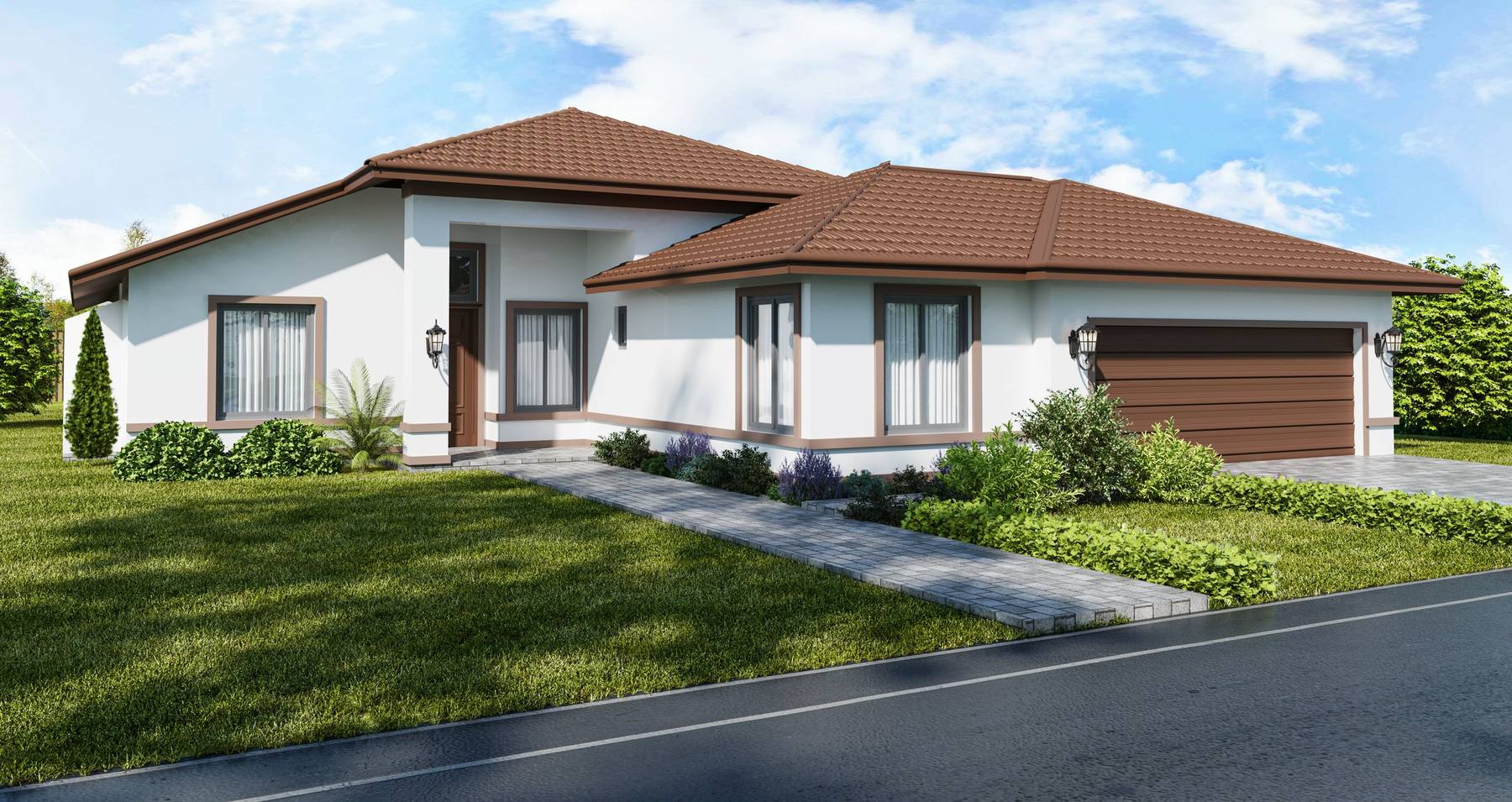
New garage doors in Sarasota
Measured to your opening, wind-rated as a system, and priced after we’ve seen it.
Is this you?
Signs a new door is the right answer
Sections past repair
Rusted from the inside, split, or a profile that is no longer made.
No wind-load rating
An older door without the bracing a Florida door is expected to carry.
A hot garage you use
A room above it, a workshop or a gym: an insulated door earns its keep.
How we do it
How a new door goes in
Measure the opening
Width, height, headroom above, backroom behind and sideroom either side.
A written quote
Section, insulation value, wind rating, spring cycles and removal, all stated.
Old door out, new door in
Tracks set plumb, springs wound with bars, the opener re-set.
Balanced and tested
The door holds at waist height, then the reverse test with you watching.
Four looks
Pick a style
The four we fit on Sarasota homes most often. Ask about any of them and we’ll tell you what suits the house.
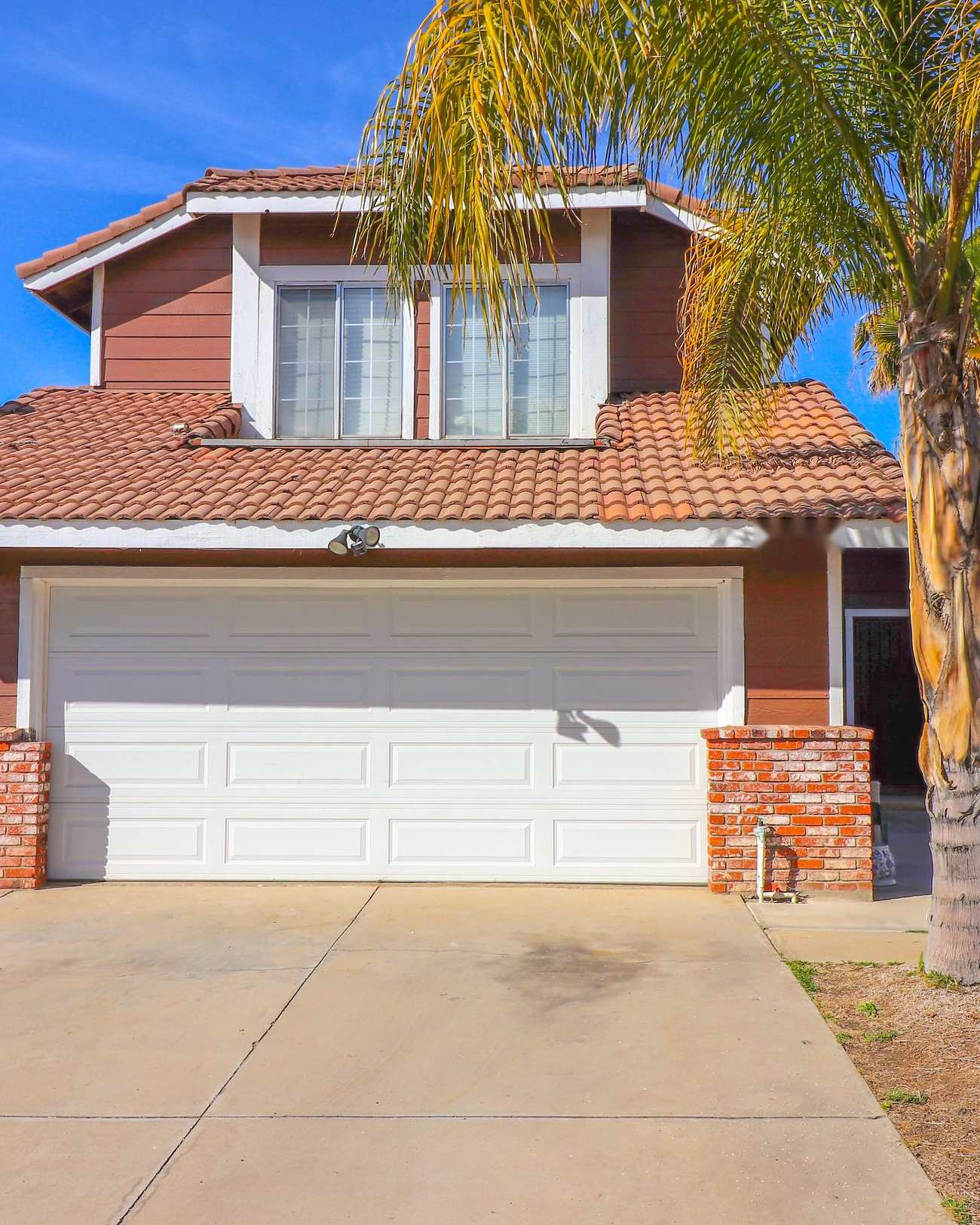
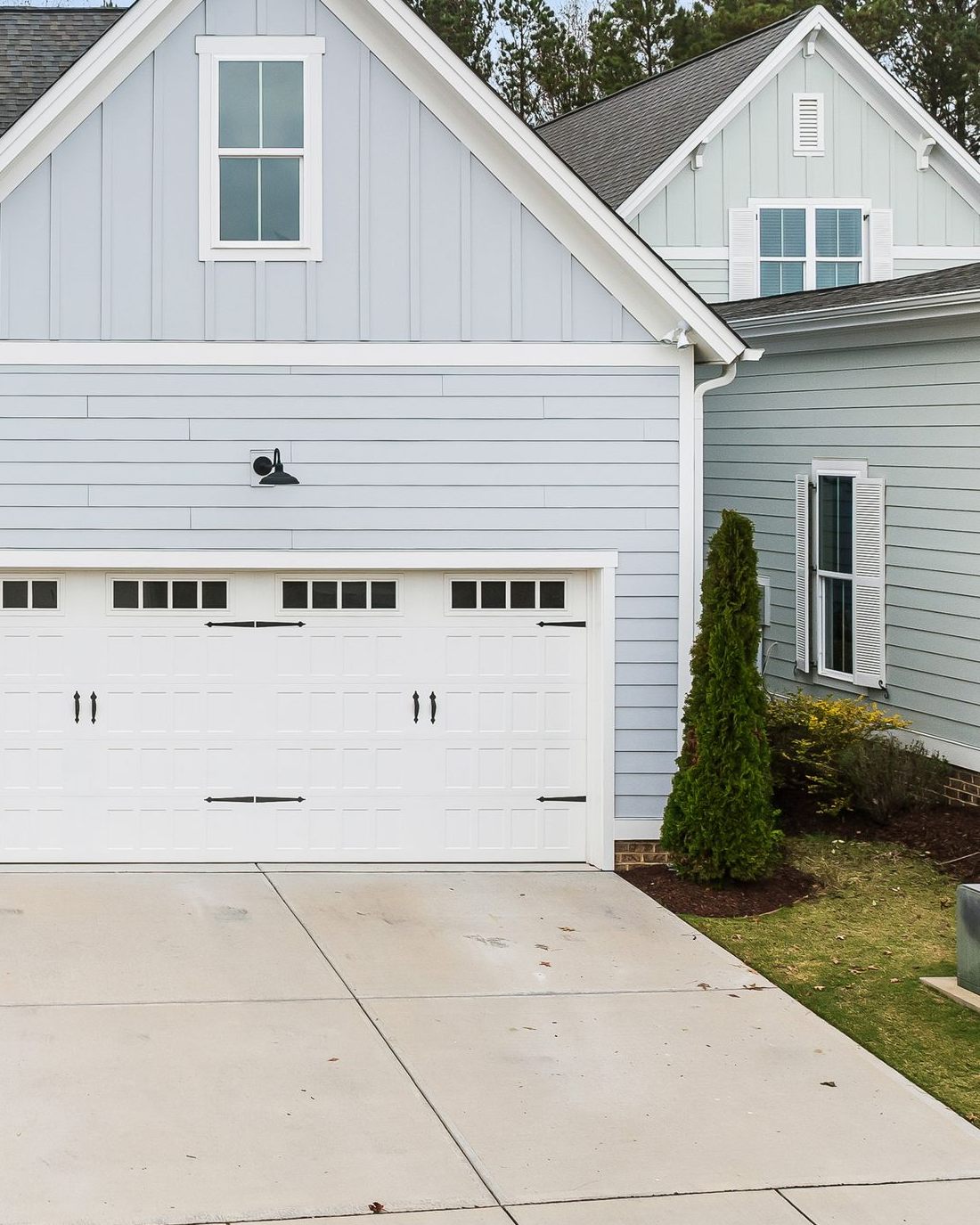
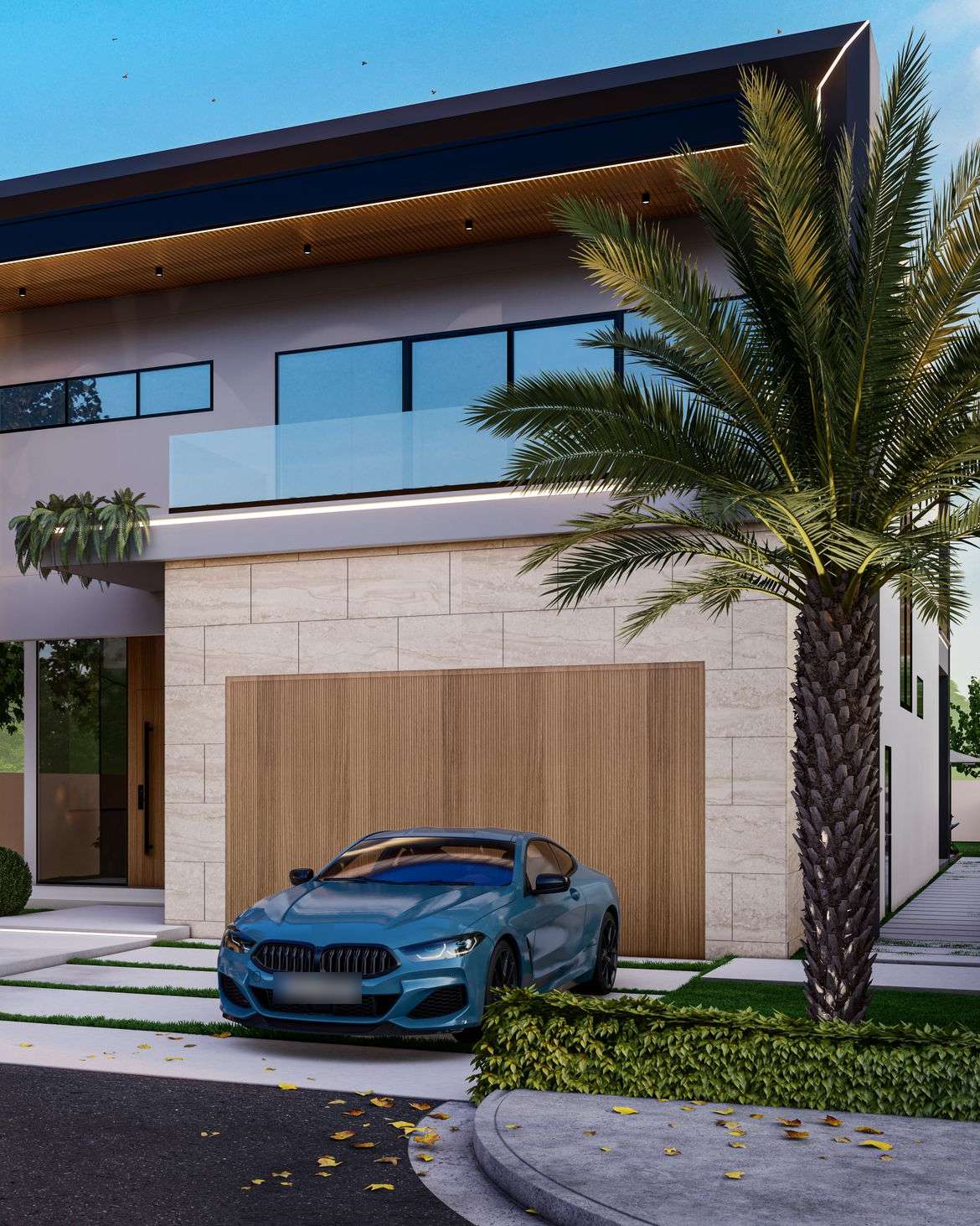
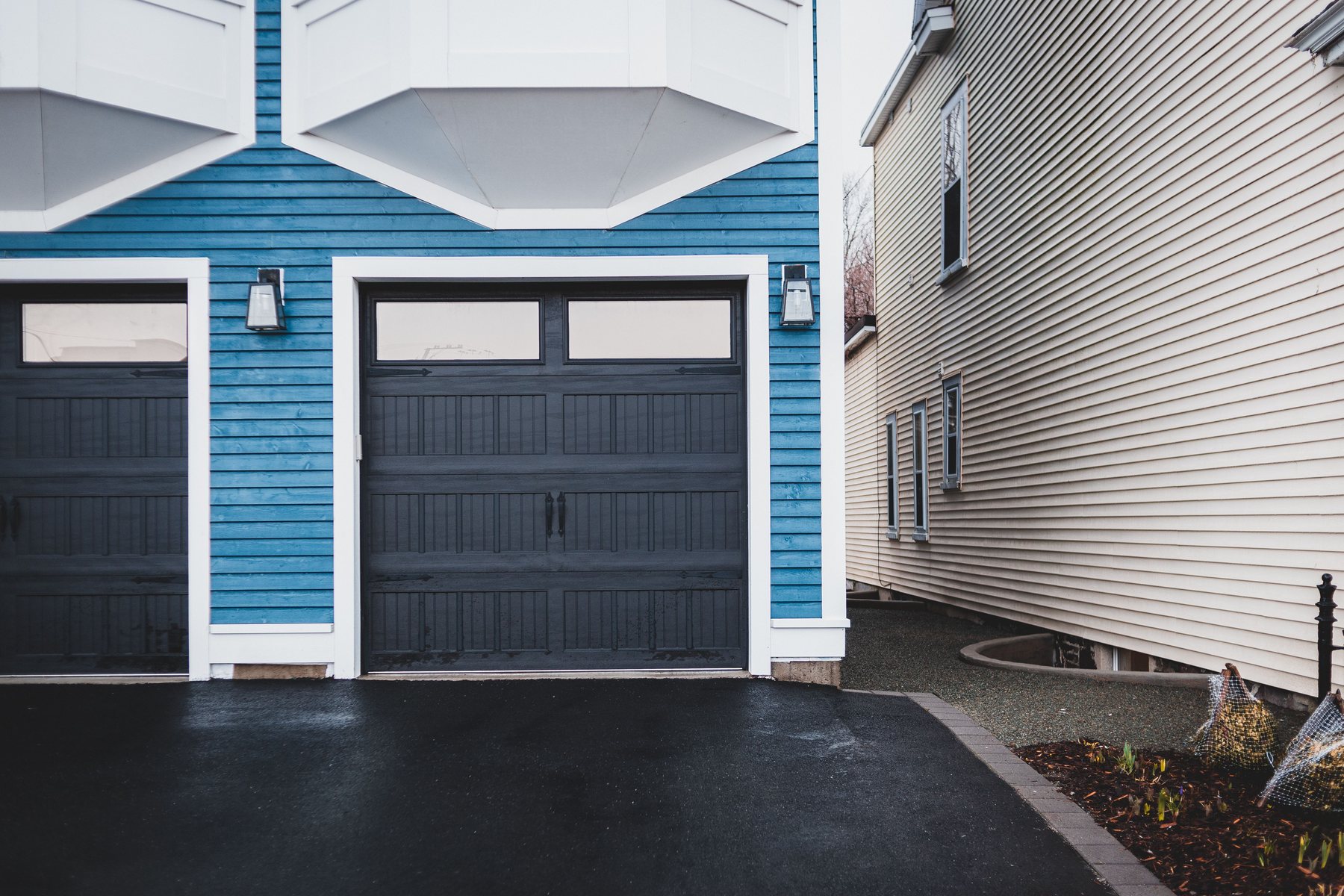
Every new door is measured and wind-rated for the opening before we price it.
Before any price
What we measure
A door is priced for the opening it goes in, so the opening gets measured first.
Width and height
Of the finished opening, at three points each, because openings are rarely square.
Headroom, backroom, sideroom
Space above the opening for the spring and track, behind it for the door to open into, and either side for the track brackets.
The wind-load system
The rating covers the door, its struts and its track as one system. Leave out a strut because it rattles and the rating is gone.
What it costs
What a new door costs
The measure and written quote are free if you’re replacing the door. Every door is quoted per opening, and plenty of tired doors are three hinges and ten rollers away from fine, which we’ll say first.
Measure and written quote
No charge if you are replacing the door. If you want a condition report on the existing door instead, that is the standard call-out.
Non-insulated steel, single
Quoted per opening. Price moves with size, gauge, color and whether there are windows.
Insulated sandwich section
Quoted per opening, with the tested R-value stated, not the calculated one.
Hardware
Every quote states the spring cycle rating and the roller bearing count. If a competitor's quote does not, ask.
Removal and disposal
Included, and stated on the quote so it is not a surprise line at the end.
The details
For the people who want every step
When a new door is genuinely the answer
- The end stiles are twisted. Once the vertical steel at the ends of a section has been bent, the geometry of the door is gone and no amount of hardware fixes it.
- The sections have separated or rusted through from the inside. Common on older single-skin steel doors in Florida, starting at the bottom section where water and grit sit.
- The profile is no longer made. One replaceable section is a repair; three sections that have to be sourced from three places is a new door with extra steps.
- You want the garage to stop being an oven, and the door is single-skin steel with no insulation at all.
The four measurements
Headroom is the space between the top of the opening and the ceiling. Standard torsion hardware wants about twelve inches. If you have less, that does not mean no door — it means low-headroom track, or a jackshaft opener mounted on the wall beside the door instead of a motor on a rail.
Backroom is how far the horizontal track can run back into the garage: roughly the door height plus a couple of feet, more if the opener is on a rail.
Sideroom is the clear space at each jamb for the vertical track, normally around four inches. A wall that is not square eats into this in ways that only show up on installation day if nobody measured.
All four get measured in your garage. Quoting a door from a photograph is how a truck arrives with hardware that will not fit.
Insulation, and the number to ask about
Doors are sold with an R-value, and the number on the brochure is not always measured the same way. Some manufacturers publish a calculated value for the insulating core alone; others publish a tested value for the whole assembled section including the steel skins and the joints between sections. The second number is always lower and it is always the useful one. Ask which one you are being quoted — the question itself tells the salesman what kind of customer he has.
In this climate the honest position is that insulation matters most when the garage is attached, has a room above it, or gets used for something. On a detached garage it does much less than the brochure implies.
The other reason to buy an insulated door has nothing to do with heat. A sandwich section — steel, insulation, steel — is far more rigid than a single skin, so the door flexes less, rattles less, and stays straight for longer.
What we quote, in writing
- The door: make, model, size, gauge of steel, insulation and its rating, color and finish, windows if any.
- The hardware: track type, roller type and bearing count, hinge set, and the spring — including its cycle rating, in writing, on the quote, before you order.
- Whether the existing opener is being reused, and if so what condition it is in and what we expect of it.
- Removal and disposal of the old door.
- The deposit, what it covers, and what happens to it if the order is canceled.
Wind load
Florida has requirements for garage doors in a windstorm, and the garage door is the largest opening in most houses — the one that decides whether the wind gets in and lifts the roof from underneath. A rated door is rated as a system: the sections, the track, the bracing struts and the fixings into the jamb, together. Leaving out a strut because it rattles, or fixing to a jamb that is not sound, quietly undoes the rating even though the label on the stile still says otherwise. We will tell you what the door is rated for and what the fixing requires.
Questions
What people ask us about this
Is it worth insulating the door?
Sometimes. If the garage is attached, has a room above it, or doubles as a workshop or gym, an insulated door makes a real difference in August. It is also stiffer and quieter. If the garage is detached with gaps under the eaves, you would be paying to insulate the outdoors, and we’ll tell you so.
Do you charge to come out?
Yes, $89, and we say it on the phone before you agree to anything. It covers the visit, the diagnosis, the balance test and the safety reverse test, whether or not you go ahead with a repair. A free call-out is never free; it just gets filed somewhere else on the bill.
What is a cycle rating, and which spring should I get?
A torsion spring is rated in cycles, and one cycle is one open and one close. A standard spring is around 10,000 cycles; a high-cycle spring is 25,000 or more. A household that uses the door four times a day runs about 1,500 cycles a year, so that is roughly seven years against sixteen. We fit high-cycle by default, and a standard spring if you ask. The rating goes on your ticket either way.
Want somebody to look at it properly?
Tell us what the door is doing. The owner calls you back with the visit price, and nothing is fitted before you’ve agreed the figure.
Other work