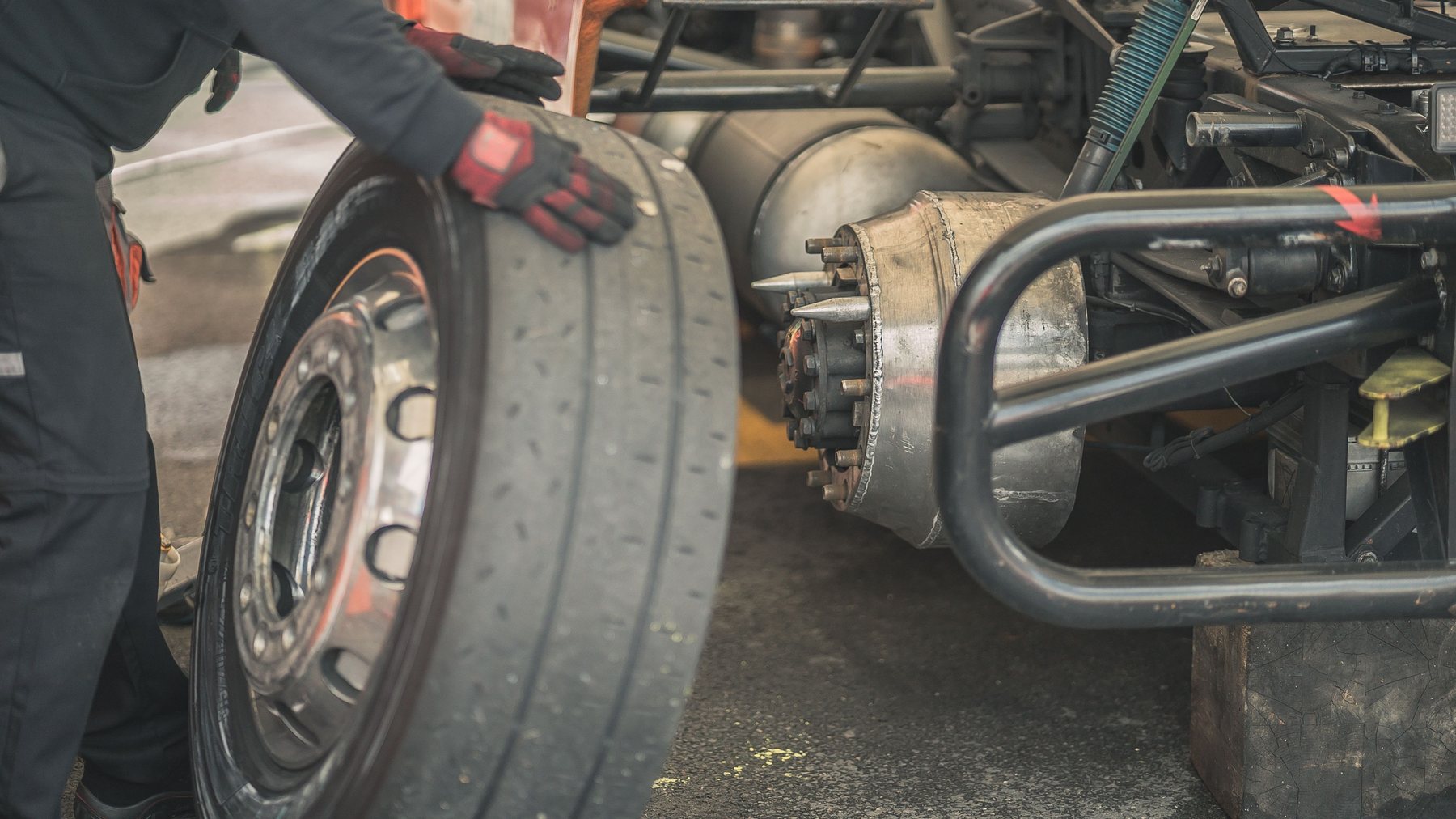
How an RV service job works at Northbound
Six steps, and you hold paper after two of them. Nothing here is unusual. We just tell you in advance, so you never stand at a counter reading an invoice for work you didn’t agree to.
Six steps
From the first call to the second sheet

The call
You tell us what it’s doing and, if there’s a trip, when you leave. That date changes the answer more than anything else, so we ask it first.
We won’t estimate a repair from a description. Photos in the chat get you a range; the walk gets you the real number.
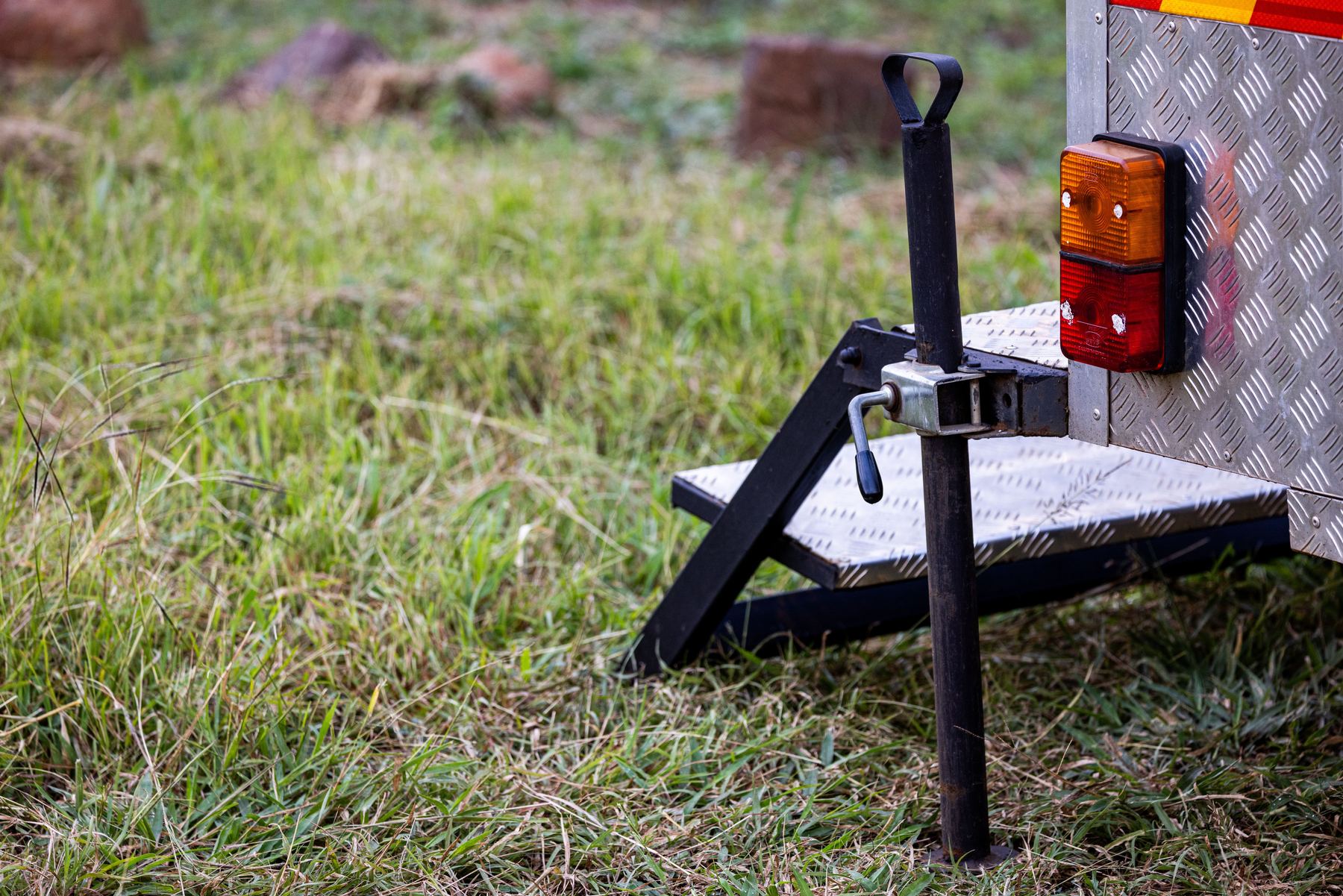
The walk
Roof, then the outside skin and seams, then the running gear, then gas, then electrical, then inside. Fixed order, because a busy bay skips whatever isn’t in front of it.
Two to four hours, depending on the rig. Stand there for it if you want to.
The log
Every item gets a line: what it is, what state it’s in, what it costs. Passes are written as passes with a zero beside them. So are the refusals.
You keep it. We keep a copy.
The written estimate
Parts, labor hours, and a line for anything we recommend leaving alone, with the reason. Nothing is ordered, opened up or fitted before you’ve read it and said yes.
If a part has a long lead time, it’s on there: a two-week part on a one-week trip is a decision, not a detail.
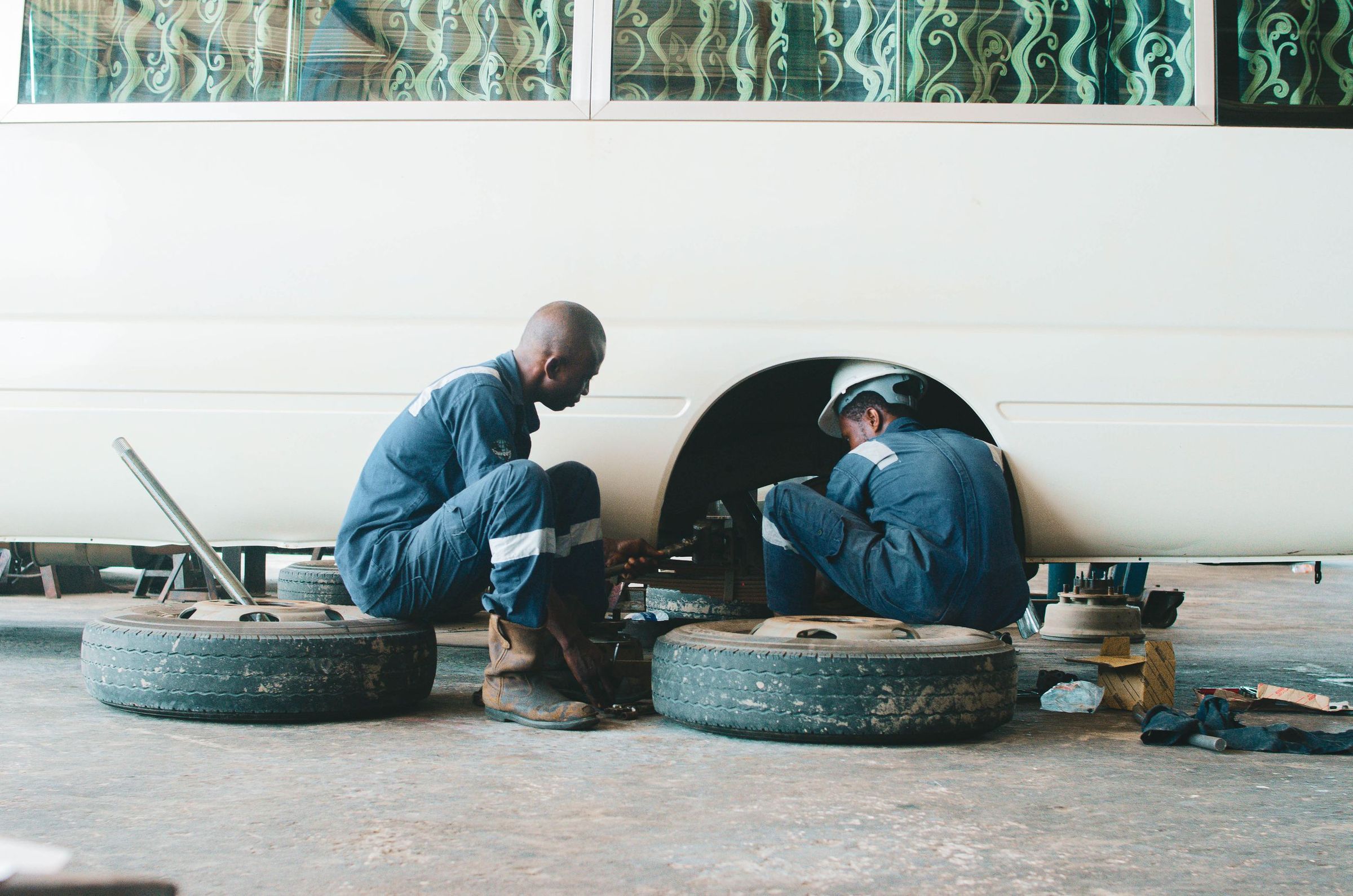
The work
If we open something up and it’s worse than the estimate, you get a phone call before the extra work starts. If it’s better, the invoice comes down. Both directions, every time.
The log again
At the end you get the sheet a second time, marked up: what was done, what was measured afterwards, torque figures where they matter, and what we deliberately didn’t touch.
Two sheets from one job, so you can hold the second against the first.
Why the zeroes are on the sheet
A line that reads $0.00 is doing the most work
It’s the only part of an inspection you can audit later. If we write “brake linings 4.1–4.4 mm, no work” and a shop down the road tells you next month your brakes are finished, you have a dated measurement and a reason to ask a second question.
It keeps us honest the other way too. It’s a lot harder to invent a problem when the habit of the shop is to write down the things that are fine.
What we need from you
- The date you leave, if there is one. Everything schedules around it.
- Whether the rig has been sitting, and roughly how long.
- Any recent work elsewhere, especially roof, gas or axles.
- Keys to everything, compartments and the battery box included.
- An honest answer about how it’s loaded: we set pressures from weight.
Sarasota · Sarasota County
Ask for the walk, not the repair
Almost every job that goes badly started with somebody buying a repair before anybody looked. Ask for the inspection, read the log, then decide.