
How a drain call goes in Casselberry
Open it. Then find out why it closed. Five steps, in this order, every time: nothing gets priced before somebody has seen it.
Five steps
The same order, every call
The order is the point: nothing gets sold on a schedule before somebody has looked at the line twice.

The phone call sorts branch from main
Before anybody is dispatched you get asked the questions that decide the size of the job: how many fixtures, which one goes first, is there a cleanout, city sewer or a tank. If it’s one slow shower, you hear that on the phone, so you’re not braced for a main-line bill.
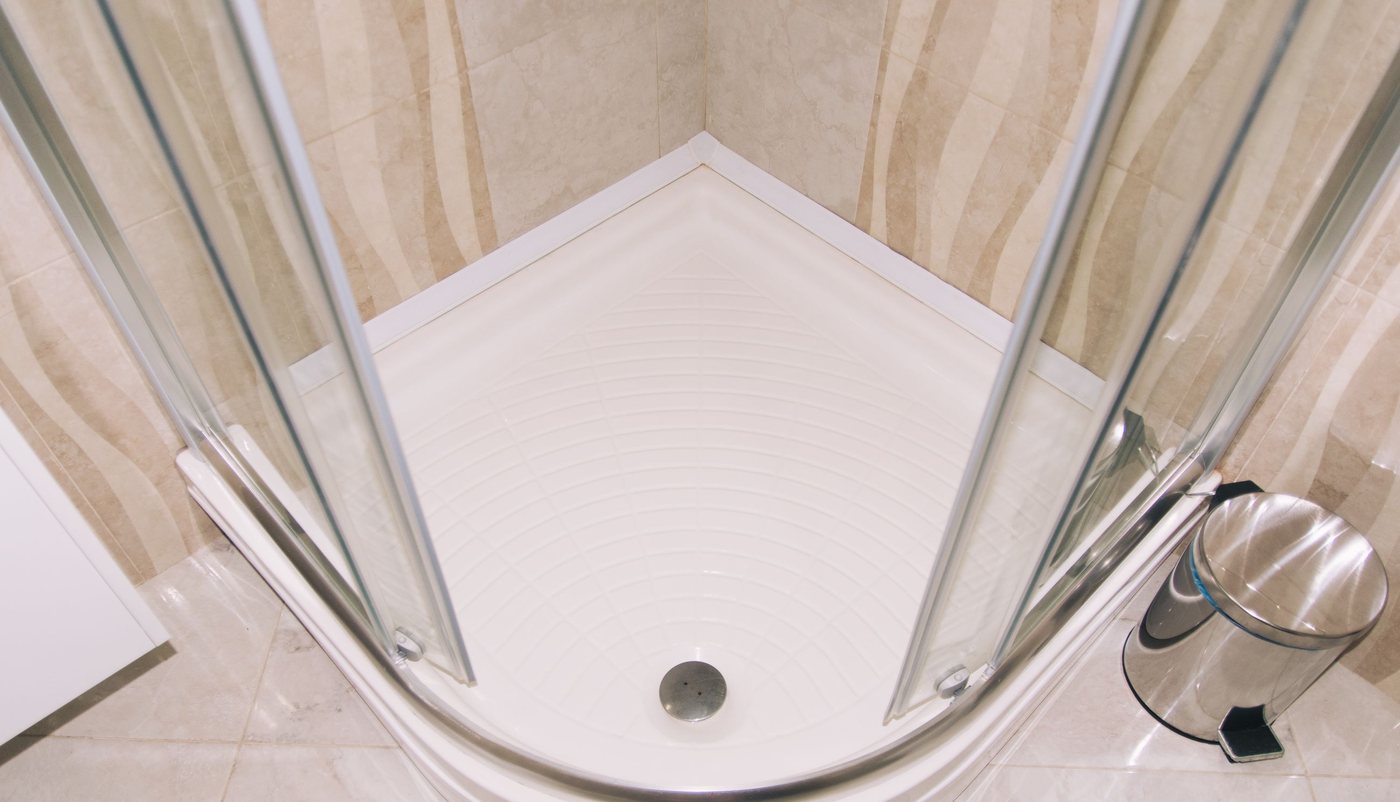
If it’s stopped, it gets opened
Diagnosis is no reason to leave a family without a bathroom for a day. The line is cabled with a head sized to the pipe, and checked afterwards so what was cut has gone through to the main.

If it has done this before, the camera goes in
First time, with an obvious cause, a camera is an upsell and we say so. Second or third time, it’s the only honest thing to offer, because a repeat means something is catching in the same place. You stand at the screen while it runs.
Everything is written down where it was found
Every finding goes on the sheet with its distance from the cleanout and its depth: the pipe material, where it changes, where water stands. Anything worth repairing is located and painted on the lawn. You keep the sheet and the recording.

Then, and only then, we talk about money
The repair is quoted against a known defect at a known depth, with the sound parts of the line named as sound. Anything you asked for that we won’t do goes on the same sheet, at $0.00, with the reason.
Never part of it
What we won’t do
- Price a repair over the phone on a line nobody has seen.
- Price a repair from a photograph.
- Jet an old line before somebody has looked inside it.
- Sell a recurring cabling on a defect nobody has diagnosed.
- Write “cleared” when the run sheet says it will be back before Christmas.
What helps us
What we ask of you
- Stop putting water into a blocked main line.
- Tell us if a drain opener has already gone down.
- Say where the cleanout is, if you know.
- Tell us when the line was last cleared, and how often. That history is the most useful thing you own.
That’s the whole of it.
Tell us what it’s doing and the office will call you back to agree a time. You’ll leave the visit holding whatever we wrote down.