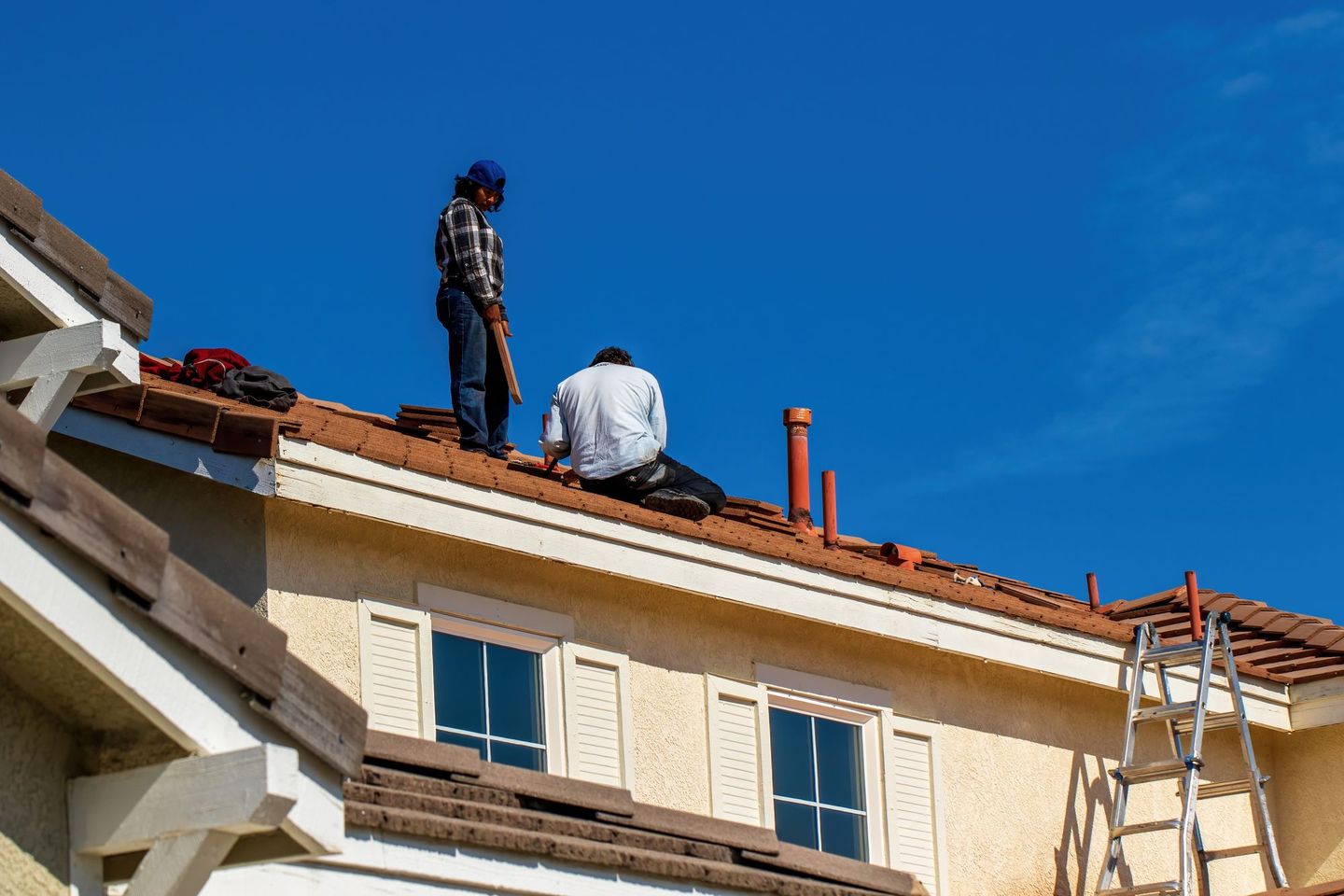
Roof leak repair in Orlando
The stain is almost never under the hole. We start in the attic, follow the water back to where it gets in, and fix that spot.
Is this you?
Signs of a roof leak
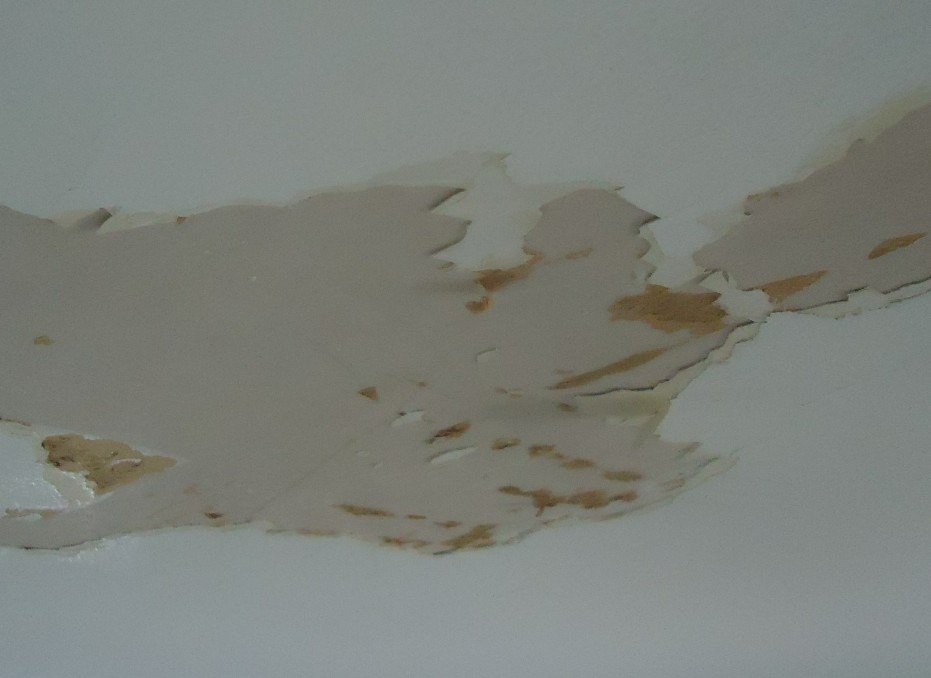
A stain that grows after rain
A dark edge that keeps spreading means it’s still getting wet.
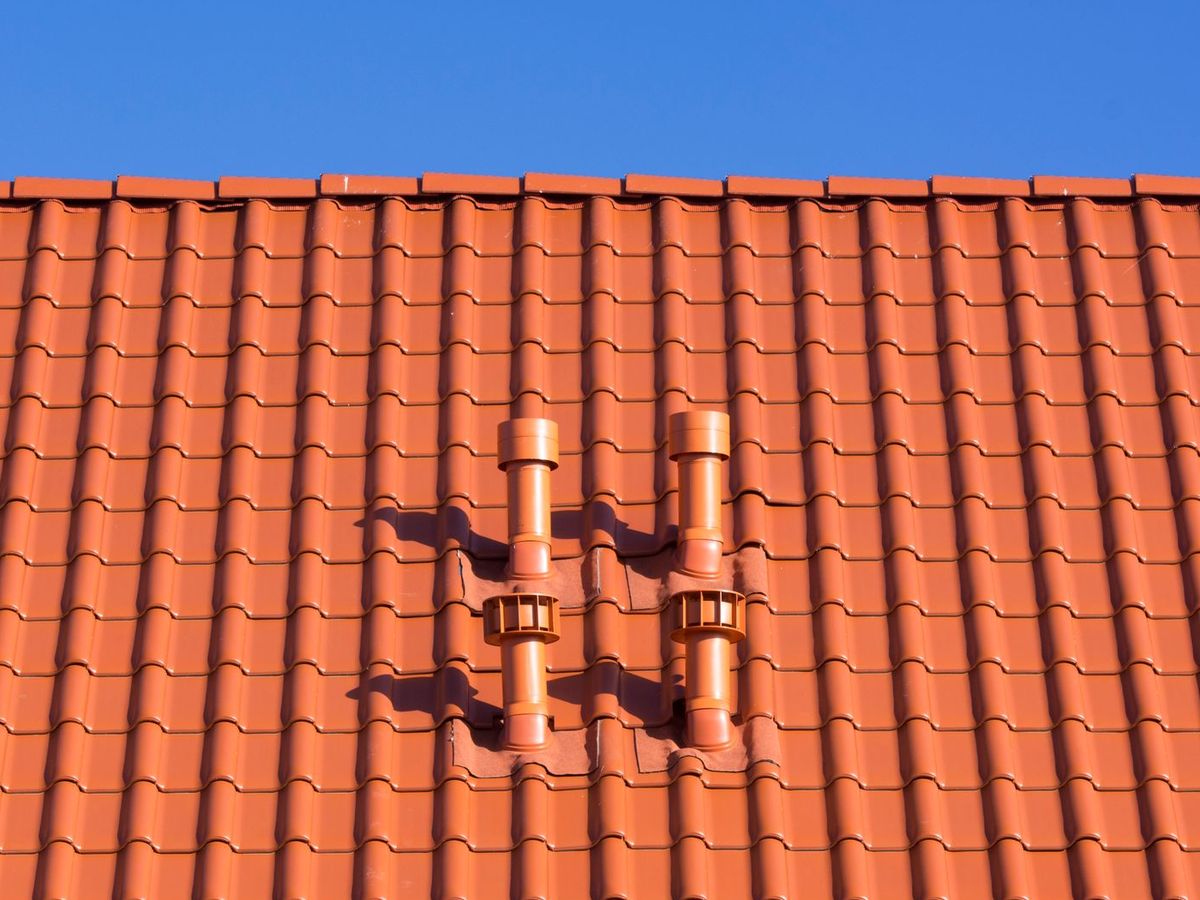
Water near a wall or chimney
Usually the step flashing, or a missing kick-out at the bottom of the wall.
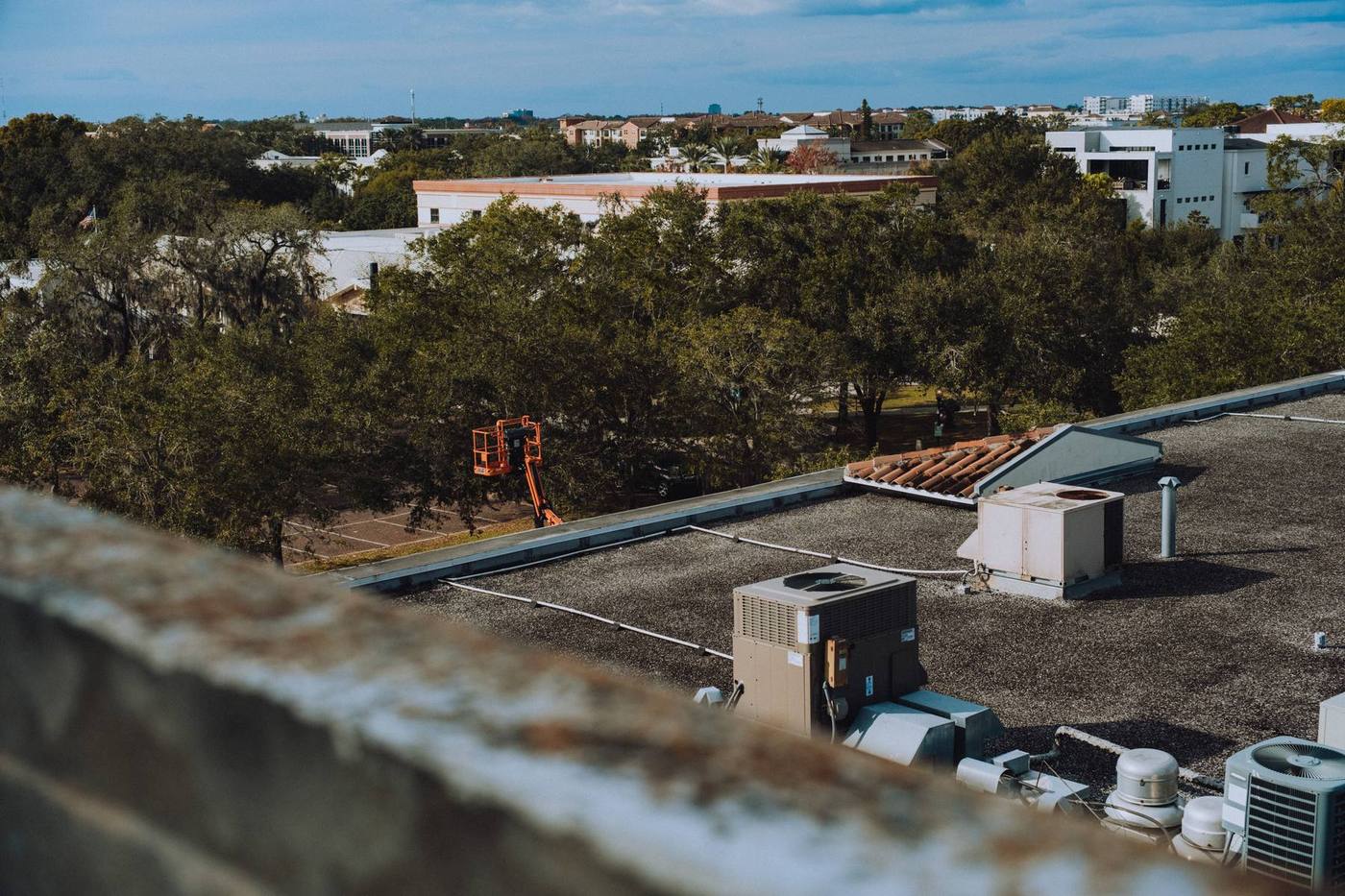
A drip on a dry, hot day
That’s usually condensation from an AC line, not the roof. Worth knowing before you pay for one.
Why the stain misleads you
The water gets in at the pipe boot. The stain shows up somewhere else.
Water comes through a cracked boot, runs along the underside of the roof deck until it meets a rafter, follows the rafter down, and drops. By the time it reaches your ceiling it can be ten feet from where it got in.
That’s why we start in the attic and follow the stain back uphill, instead of patching the roof right above the wet spot.

How we do it
How we find a leak
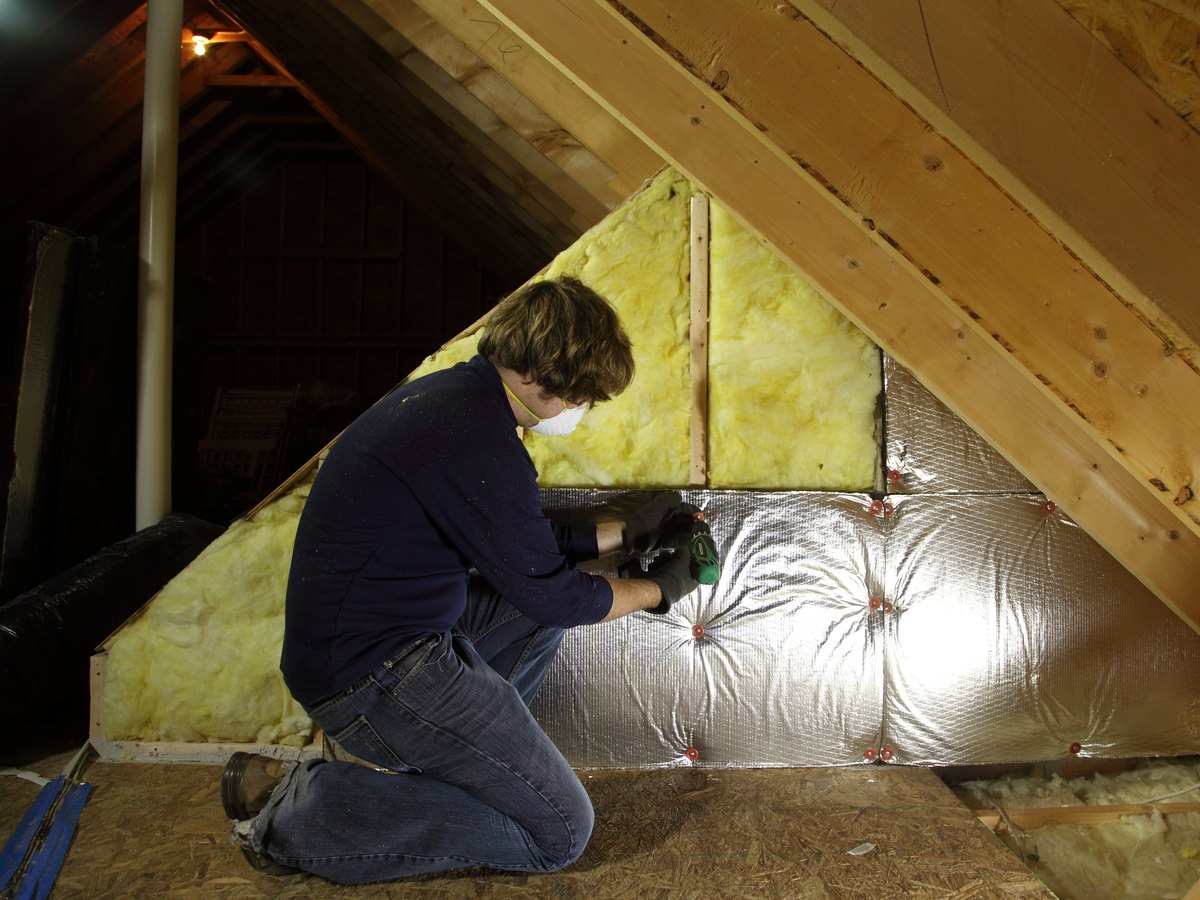
Attic first
We read the stain path and the nail tips, and look for daylight.
Then the roof
Pipe boots, walls, valleys and the chimney, in that order.
A water test if needed
Bottom to top, one small zone at a time, one of us inside with a light.
Fix the spot
Photographed and priced before the repair, and written up after.
What it costs
What a leak repair costs
Most leaks come from one small part of the roof, so most fixes are small. The price is written down before we do anything.
Where it gets in
A split pipe boot is the most common leak and the cheapest fix on a roof.
What it damaged
Soft deck around the leak is priced by the sheet, and only if it’s actually soft.
Whether it’s the roof
If it’s an AC line, a window or stucco, we tell you and you don’t pay us to fix it.
The details
For the people who want every step
Attic first
Almost every leak we have ever found was found from underneath. In the attic you can read the history of the roof: dark tea-colored staining down the side of a rafter shows the path, rusted nail points show where water has been sitting as vapor rather than running, and a wet insulation batt is a map with an arrow on it. We work from the stain backwards and uphill, because water only ever goes one way.
Then we look for daylight. A pinhole at a nail, light round a boot flange, a gap at the top of a wall intersection. Daylight is not always the leak, but it is always worth knowing about.
The four usual suspects, in order
Pipe boots. First place we look, every time. The sun destroys the rubber collar in eight to twelve years and it splits round the pipe. It is the commonest leak in this trade and the cheapest to fix, which is a combination that ought to make people suspicious of anybody who goes straight to quoting a full roof.
Wall intersections. Where a roof plane runs into a wall, water has to be stepped out over the shingles with individual flashing pieces, one per course. The lazy version is one long piece of bent metal caulked to the wall, and it fails at every course line. The version that fails most expensively is the missing kick-out at the bottom of that wall — without it, every drop running down the wall-roof junction goes behind the siding instead of into the gutter, and rots the sheathing for years before anything appears indoors.
Valleys. Cut too tight, cut wandering, or no membrane underneath. A valley carries the water off two planes at once and it is the highest-volume part of the roof.
Chimneys and skylights. Counterflashing that was caulked to the brick instead of cut into it, a missing cricket on the uphill side of a wide chimney, a skylight installed without its manufacturer's flashing kit and made watertight with sealant.
The water test
If the attic does not give up the answer, we hose it, and the discipline matters more than the water does. One person inside with a light, one on the roof. Start at the very bottom of the suspect area and work uphill, one small zone at a time, fifteen minutes each, and do not move up until the zone below has been given time to show. Wetting the whole roof at once and waiting proves nothing except that the roof leaks, which you already knew.
When it is not the roof
Roughly one visit in six ends with us telling somebody their roof is fine. In this climate, the imposters are a sweating air-conditioning line or an uninsulated duct in a hot attic — which drips exactly like a leak and leaks worst on dry days — a bathroom fan terminated into the attic instead of through the roof, a window head or a stucco crack when the rain is wind-driven, and a chimney crown letting water into the flue.
The tell is timing. A leak that appears only when rain comes from one direction is nearly always a wall. A leak that appears on a hot afternoon with no rain at all is condensation, and it is a mechanical problem, not a roofing one. We will say so, write it on the report, and not charge you for a roof you do not need.
How we chase a leak
Step 1Attic. Read the stain path and the nail pointsStep 2Roof. Penetrations, walls, valleys, chimneyStep 3Water test, bottom to top, one zone at a timeZone sizeAbout 15 minutes eachFirst suspectPlumbing vent bootMost expensive missMissing kick-out flashing at a wallNot the roofSweating duct or AC line; stucco; window head; chimney crownResultWritten report, including “this is not the roof”Questions
What people ask us about this
The ceiling is stained. Is that where the leak is?
Almost never. Water runs along the underside of the deck and down a rafter before it drops, so a stain over the sofa can come from a pipe boot ten feet uphill. That’s why we start in the attic.
What leaks most often?
Plumbing vent pipe boots, by a wide margin. The sun cracks the rubber collar in eight to twelve years while the shingles are still good. After that, walls with no kick-out flashing and valleys cut too tight.
It is dripping right now. What should I do?
Put a bucket under it and move what’s underneath. If the ceiling is sagging or bulging, leave the room and call. Please don’t go up on the roof or a ladder to look.
Will I need a new roof?
Usually not for one leak. If the roof really is finished, we’ll show you why with photos. If it isn’t, we fix the leak and say so.
Get a straight answer about your roof.
Tell us what it’s doing. We’ll look at the roof and the attic and put it in writing.
Other work