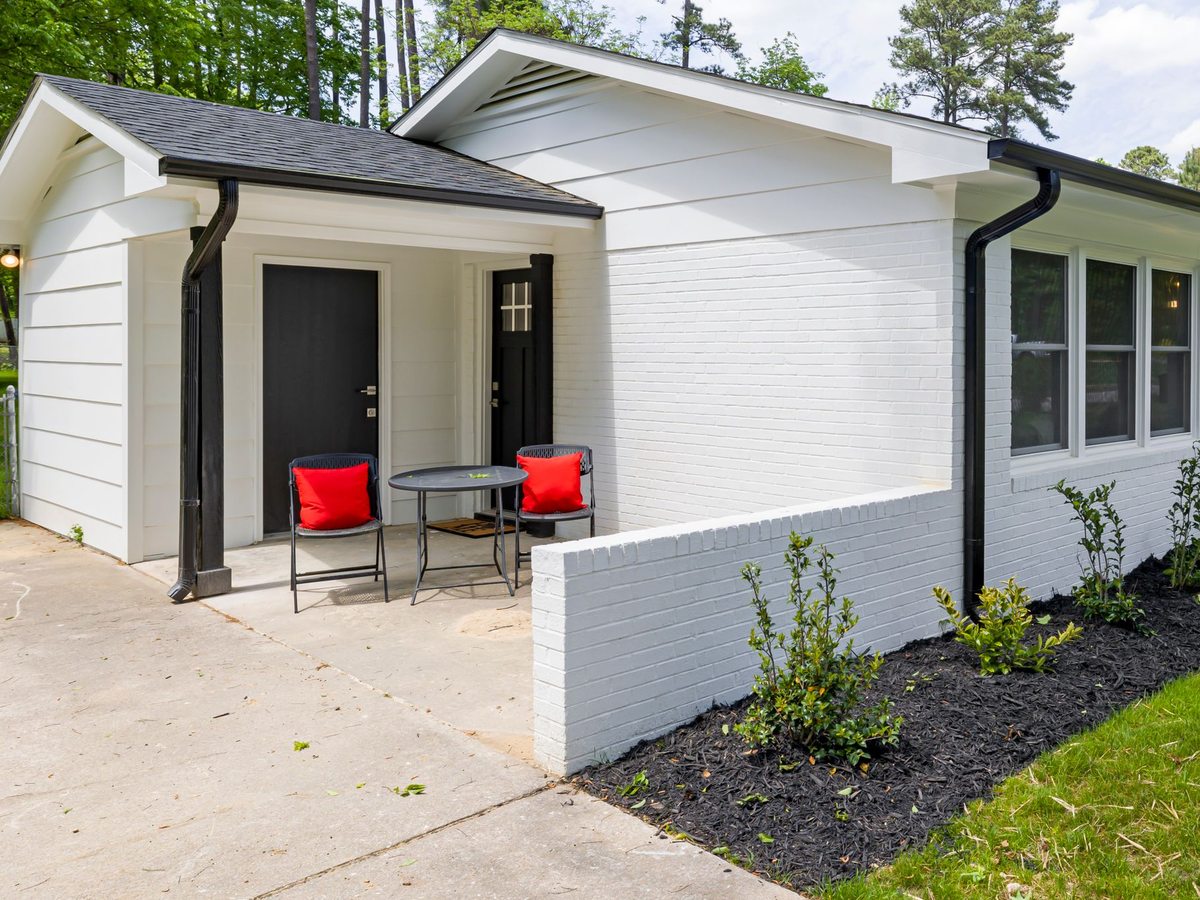
Gutters, fascia and drip edge in Orlando
Most rotten fascia is a drip edge problem, not a gutter problem. We fix the edge first, then hang the gutter so water leaves the house.
Is this you?
Signs your gutters or fascia need work
Soft or rotten fascia
Water is wicking behind the gutter, usually past a short or missing drip edge.
Gutters overflowing
Too few outlets, the wrong pitch, or a valley dumping into one corner.
Gutters pulling away
Spikes loosen in the fascia. Hidden hangers screwed into sound wood hold.
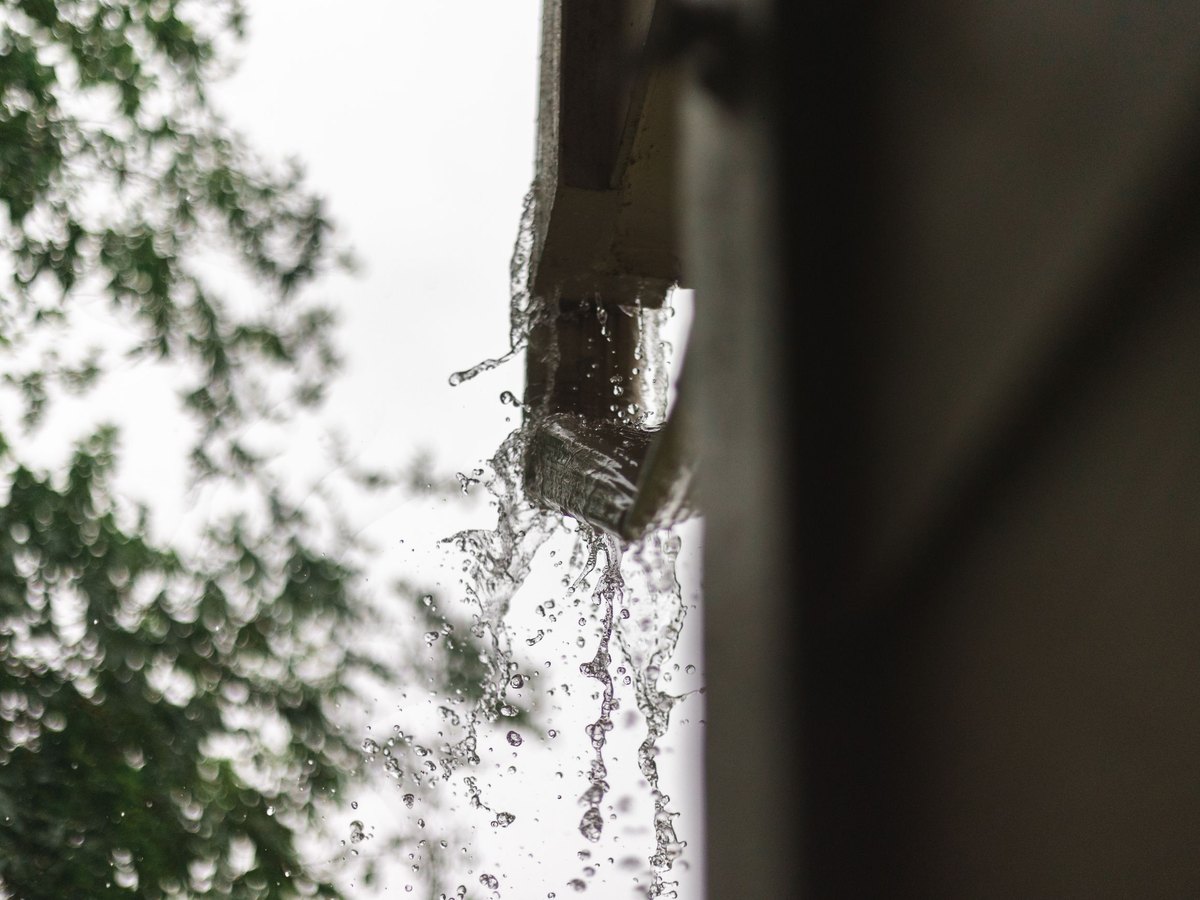
Sizing and outlets
Water has to leave the house, not the gutter
A gutter is only as good as its outlets. Too few downspouts, a flat run or a valley pouring into one corner and the water goes over the front edge, down the wall and into the ground by the slab.
We size the outlets for the roof above them and pitch the run toward them.
How we do it
How we fix the eave
Check the edge
Drip edge, gutter apron and fascia, before the gutter.
Fix the wood
Soft fascia replaced, not covered over.
Hang and pitch
Hidden hangers, pitched toward enough downspouts.
Test it
Water down the roof to watch it leave the house.
What it costs
What decides the price of gutter work
Gutter and fascia work is priced by the run after we’ve looked at it.
Length and outlets
How many feet of gutter and how many downspouts.
The wood behind it
Rotten fascia is replaced by the length, and only where it’s soft.
Guards
Only if the trees overhead call for them.
The details
For the people who want every step
The gutter apron
Standard drip edge kicks water off the roof edge. That is fine over open air; over a gutter it is not enough, because surface tension will carry a thin film of water back under the metal and onto the fascia board behind the gutter. A gutter apron is a longer, deeper piece of edge metal that hangs down into the gutter, so the water is delivered rather than dropped.
This is why so much fascia rots behind a gutter that everyone agrees is working. The gutter is working. The three-quarters of an inch above it is not.
Sizing and outlets
Five-inch K-style is the default and it is undersized on a lot of Florida roofs. What matters is how much roof drains into one run and how hard it rains here. A long run off a steep plane, or a valley dumping into a single corner, wants six-inch gutter and a 3×4 downspout instead of a 2×3. The 3×4 carries something close to double, and it is the single cheapest upgrade at the eave.
An outlet every thirty to forty feet is the working rule, and any run longer than about forty feet should drain both ways from a high point in the middle rather than travel the whole length.
Pitch, hangers and the spike problem
Gutters are not level. They want roughly a quarter of an inch of fall per ten feet towards the outlet — enough to move water, little enough that the eye does not read it as crooked against a straight fascia line.
Hangers go at twenty-four inches, screwed into the fascia. Not spikes and ferrules. A spike is a nail, and a nail in a fascia board that expands and contracts every day works its way out, which is why so many older gutters have a sag with a spike head standing an inch proud next to it. Where the gutter carries a valley's worth of water, hangers go closer.
Valleys, splash and the corner nobody looks at
A valley emptying straight into a gutter over-runs it in heavy rain, and the water goes over the front lip in a sheet, straight down the wall. A splash guard on the outside of the corner is a five-dollar piece of metal that fixes it. Its absence is usually visible as a trench in the flower bed.
Fascia and soffit
If the fascia behind a gutter has gone soft, replacing the gutter alone is a waste of everybody's morning — the hangers have nothing to hold. Rotten fascia gets cut back to sound wood and replaced before anything is hung on it. And while the soffit is open, it is worth checking whether it is actually vented, because a great many perforated soffit panels are screwed over solid plywood with no holes in it. That is a ventilation problem masquerading as trim, and it is covered on the ventilation page.
Guards
We fit them when there are trees over the roof and not otherwise. A guard is not maintenance-free — fine debris still builds up on top and the good ones simply take much longer to need clearing. Anybody selling a guard as permanent is selling you the next argument.
What we do not do is underground drainage. Getting water away from the foundation is real work and it belongs to somebody who does it properly.
At the eave
Edge metalGutter apron over a gutter, drip edge elsewhereGutter5″ K-style standard, 6″ where the run demands itDownspout3×4 where a valley or long run drains inOutletsOne every 30–40 ftPitchAbout ¼″ per 10 ft to the outletHangersScrewed, 24″ o.c. Never spikesValley cornersSplash guard fittedFasciaSoft board replaced before anything is hungNot our workUnderground drainageQuestions
What people ask us about this
Do I need gutter guards?
Only if trees drop enough to clog the gutters often. Guards need cleaning too.
Why is my fascia rotting?
Usually water wicking behind the gutter because the drip edge is short or missing.
How many downspouts do I need?
Enough that each one drains a reasonable length of gutter. Long runs and valleys need more.
Can you just replace the gutters?
We can, but if the drip edge is wrong, new gutters won’t stop the rot. We’ll show you before we price it.

Get a straight answer about your roof.
Tell us what it’s doing. We’ll look at the roof and the attic and put it in writing.
Other work