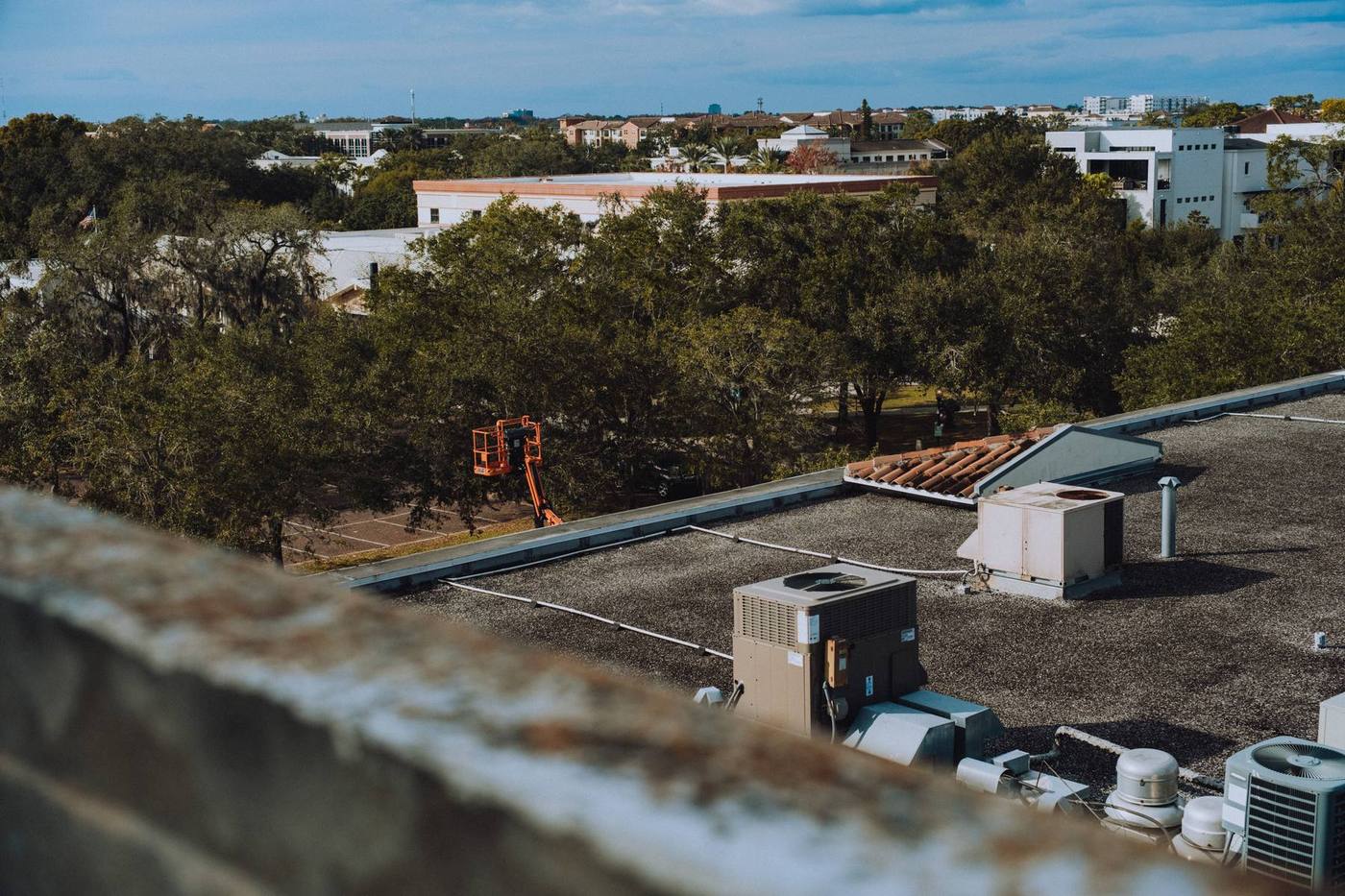
Flat and low-slope roofing in Orlando
Under 2:12, shingles are the wrong answer. Lanai, porch and addition roofs need a membrane, and the joint to the main roof needs the most care.
Is this you?
Signs a low-slope roof needs work
Water that sits after rain
Ponding shortens any membrane’s life and finds every seam.
A leak where the porch meets the house
The transition to the main roof is the weakest point.
Shingles on a flat porch roof
Below 2:12, water backs up under the laps.
What goes on instead
A membrane made for water that sits
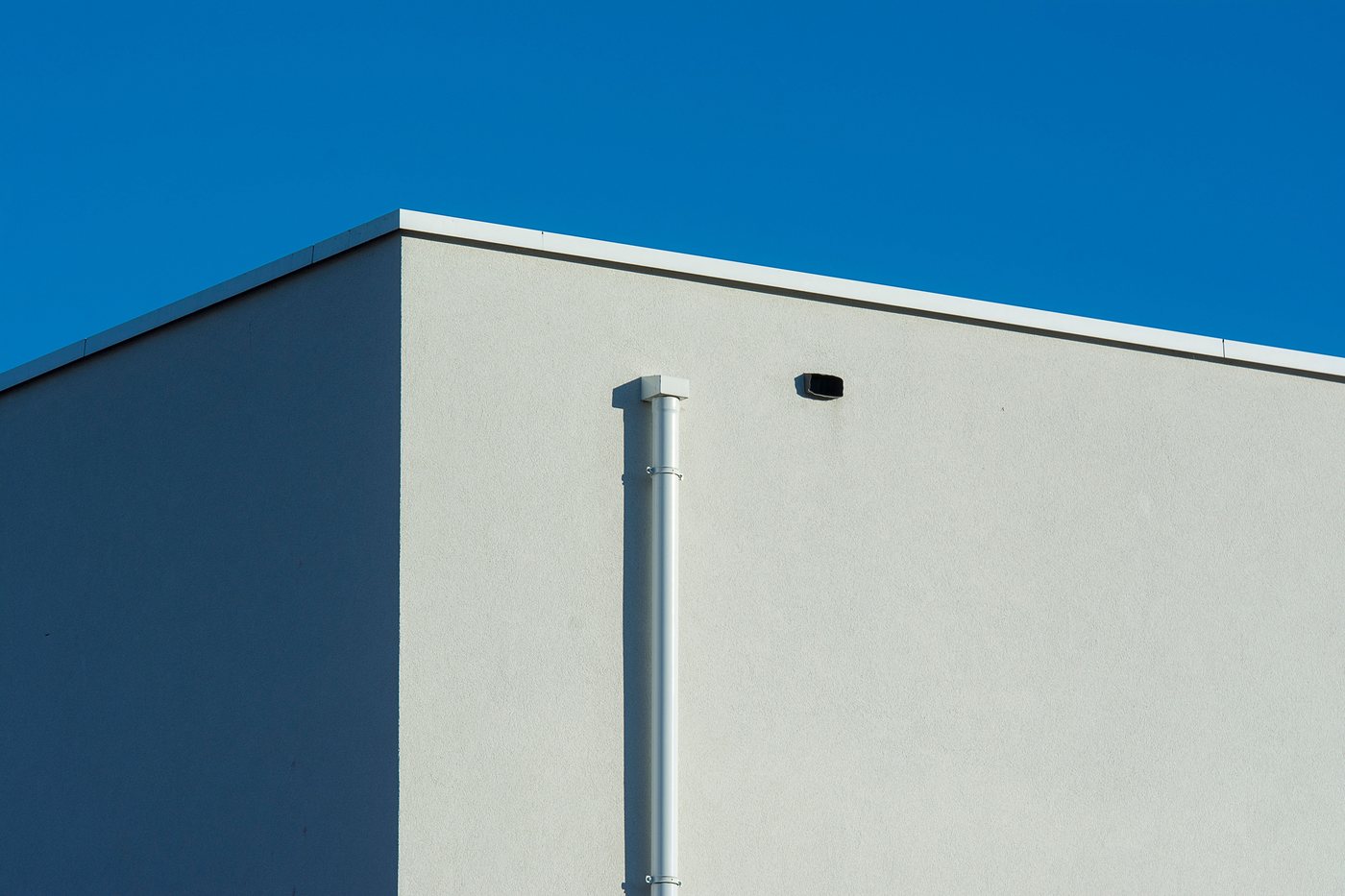
On a low slope, water moves slowly and sideways. A self-adhered membrane has laps sealed to each other, so standing water has nowhere to get in.
The part we spend the most time on is the joint where the low roof meets the main one.
How we do it
How we do a low-slope roof
Measure the slope
We check the fall. That decides the system.
Fix the transition
Where the low roof meets the house gets new metal and membrane.
Self-adhered membrane
Laid with laps the water can’t get under.
Penetrations and edges
Pipes, vents and edges flashed for standing water.
What it costs
What decides the price of a low-slope roof
Low-slope work is priced by the area after we’ve measured it.
Size
How many square feet of low slope.
The transition
How much of the main roof has to be opened to tie in properly.
The deck
Soft decking under ponding water is priced by the sheet.
The details
For the people who want every step
Where the line actually is
Shingle manufacturers allow their product down to 2:12 — two inches of rise per foot — and only then with a doubled underlayment or a fully self-adhered base. Below 2:12 the instructions do not permit shingles at all, so a shingled low-slope roof is out of warranty from the day it is finished, whatever anyone told the homeowner.
Plenty of Florida porch roofs are 1:12 or flatter. If yours is shingled and it leaks in every heavy rain rather than in every rain, this is usually why: water backs up at the laps, gets under them and travels.
What we use instead
Self-adhered modified bitumen, in two plies: a base sheet and a granulated cap sheet, fully bonded, with the laps rolled. It is quiet, there is no flashlight and no kettle anywhere near your house, and the granulated surface takes Florida sun far better than a smooth membrane. On a small lanai it is a day's work.
Where a single-ply makes more sense — a bigger deck, a roof somebody walks on — we will say so, and if it is a size or a detail that wants a commercial crew we will tell you that instead of improvising on your house.
The transition, which is where these leak
Almost every low-slope failure we are called to is not out in the field of the membrane. It is at the point where the flat section meets the shingled roof above it, or where it dies into a wall.
Done properly, the membrane runs up the vertical face at least eight inches and is terminated — either into a reglet cut in the masonry, or behind the siding, or under a counterflashing — and the shingles above lap down over the top of it, not the other way round. Done quickly, the membrane is cut off at the joint and a bead of sealant is run along it. That joint is the lowest point of the whole assembly and the sealant is the only thing holding it.
Ponding
Water standing on a flat roof more than about forty-eight hours after rain is ponding, and it is a structural and drainage problem rather than a membrane problem. Membrane will tolerate it for a while, but it grows algae, it accelerates the surface, and it is dead weight where the deck already sags. The fix is either tapered insulation to build fall into the surface, or a drain or scupper in the right place. Recovering a ponding roof with a new membrane and no change to the fall just buys you time at a poor exchange rate.
Penetrations on a flat roof
Every pipe, conduit, condenser stand and cable through a low-slope roof needs a proper detail: a boot, a curb, or a pitch pan filled and topped. A pitch pan is legitimate and it is also the one detail that needs looking at every couple of years, because the filler shrinks. Anything that has been made watertight with a mound of black mastic is a leak that has not happened yet.
Coatings
On a flat roof, a coating is a real system with a real specification — a sound substrate, proper preparation, a stated dry film thickness and a warranty from the coating manufacturer. It can be a sensible way to extend a membrane that is intact but tired. It is not a way to fix a roof that is already leaking, and it is not something to spray on a wet or ponding surface, whatever the man with the truck says. On shingles, as we say elsewhere, a coating is simply paint.
Low-slope
Shingle limit2:12 with doubled underlayment. Below that, no shinglesSystemTwo-ply self-adhered modified bitumen, granulated capFlashlight or kettleNeither. Self-adhered onlyWall terminationMembrane up at least 8″, into a reglet or behind sidingTransitionShingles above lap over the membrane, never underPondingWater still standing after ~48 hours means fall, not membranePenetrationsBoot, curb or filled pitch pan. Not masticCoatingsA system on a flat roof. Paint on shinglesQuestions
What people ask us about this
Can you put shingles on my porch roof?
Not if it’s under 2:12. Water sits and backs up under the laps. It needs a membrane.
Should I coat my flat roof?
On a flat roof a coating can be a real system with a real spec. It isn’t a fix for a failing membrane or a wet deck.
Why does my porch roof leak where it meets the house?
That transition is the weakest point on most low-slope roofs. It has to be tied in under the main roof, not caulked to it.
Do you do commercial flat roofs?
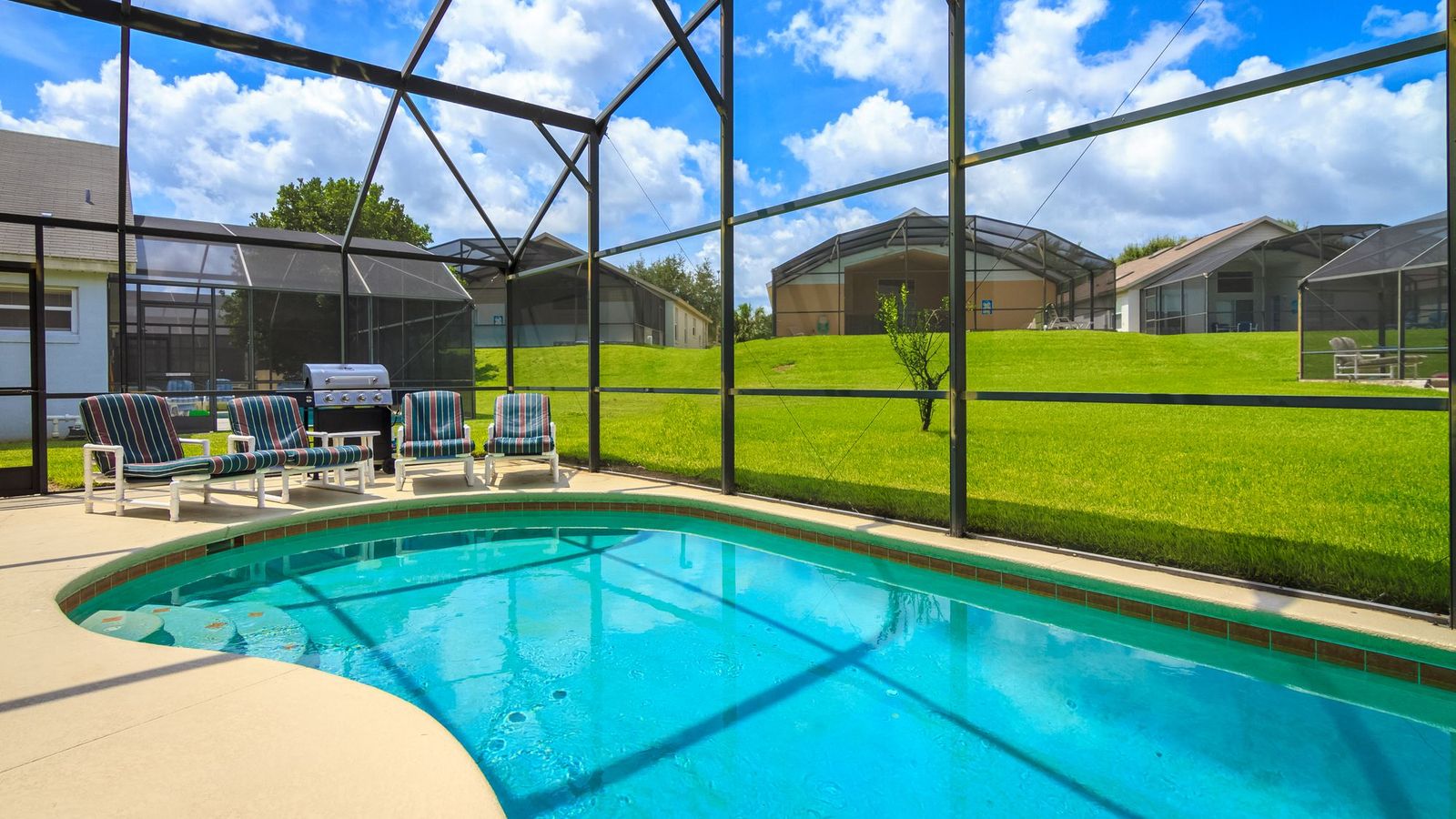
We work on homes: lanais, porches, carports and additions.
Get a straight answer about your roof.
Tell us what it’s doing. We’ll look at the roof and the attic and put it in writing.
Other work