Pipe bootSep 2026
Aloma Avenue, Winter Park
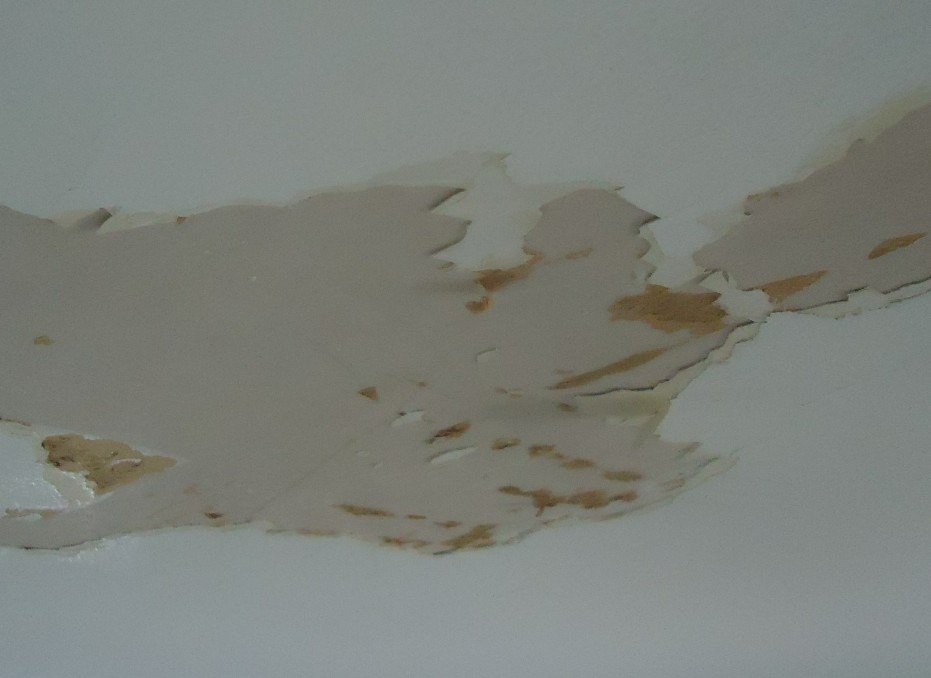
Stain over the hall bath. Split boot replaced; attic dry the next rain.
Dale, the owner, reads your photos and writes the quote.
Start with the symptom
Pick the one that sounds like your house. You’ll see what it usually turns out to be, what we do about it, and which photos help.
What it usually is
Usually a pipe boot, flashing at a wall, or a valley. Rarely the spot right above the stain.
What we do
We start in the attic, follow the water back to where it gets in, and fix that spot. You get photos of both ends.
Photos that help: the stain from the floor, and the roof above it from the yard.
Send photos of this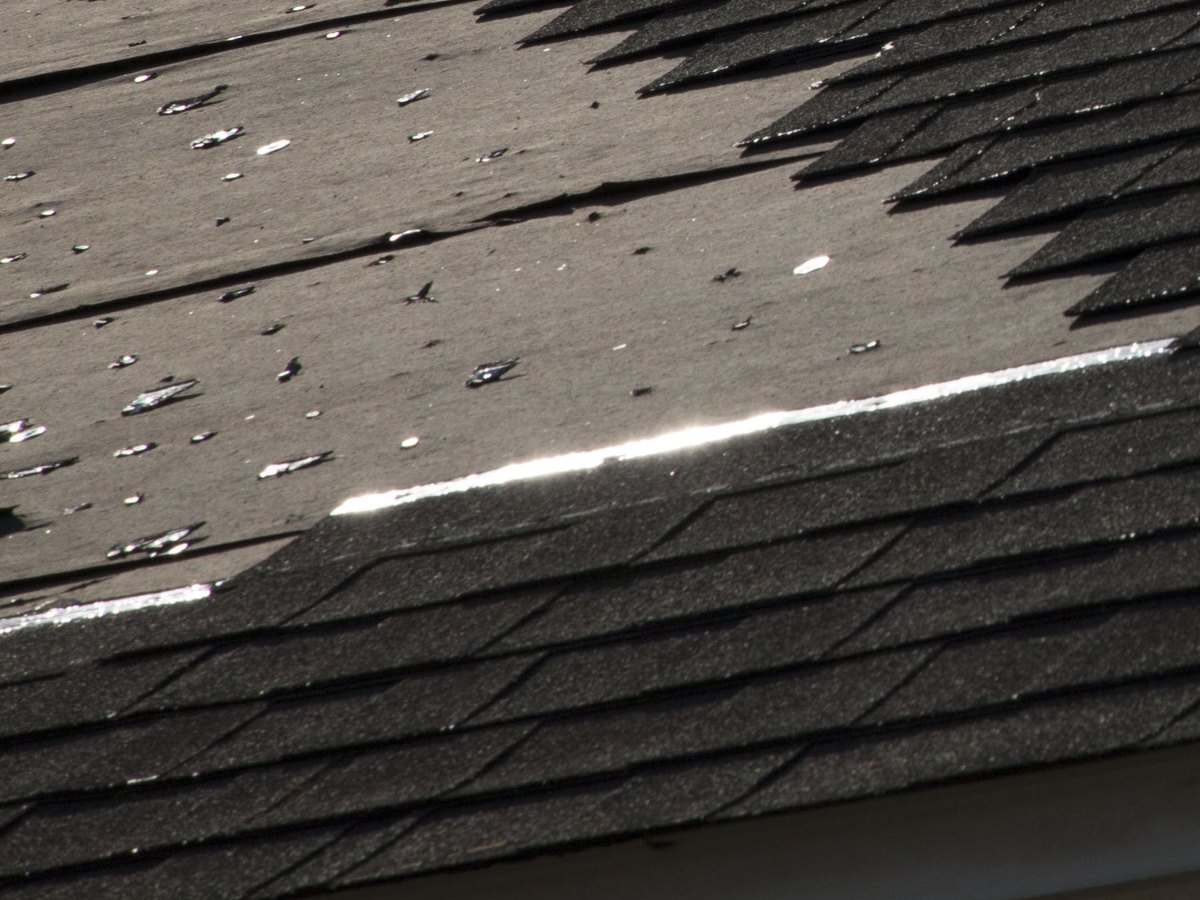
What it usually is
Lifted or missing shingles, a damaged ridge, dented vents and gutters. The soft metal bruises first.
What we do
We walk it, photograph everything we find and write it down in a report you keep. If the roof is fine, we say so.
Photos that help: each side of the roof from the street, and anything that landed in the yard.
Send photos of this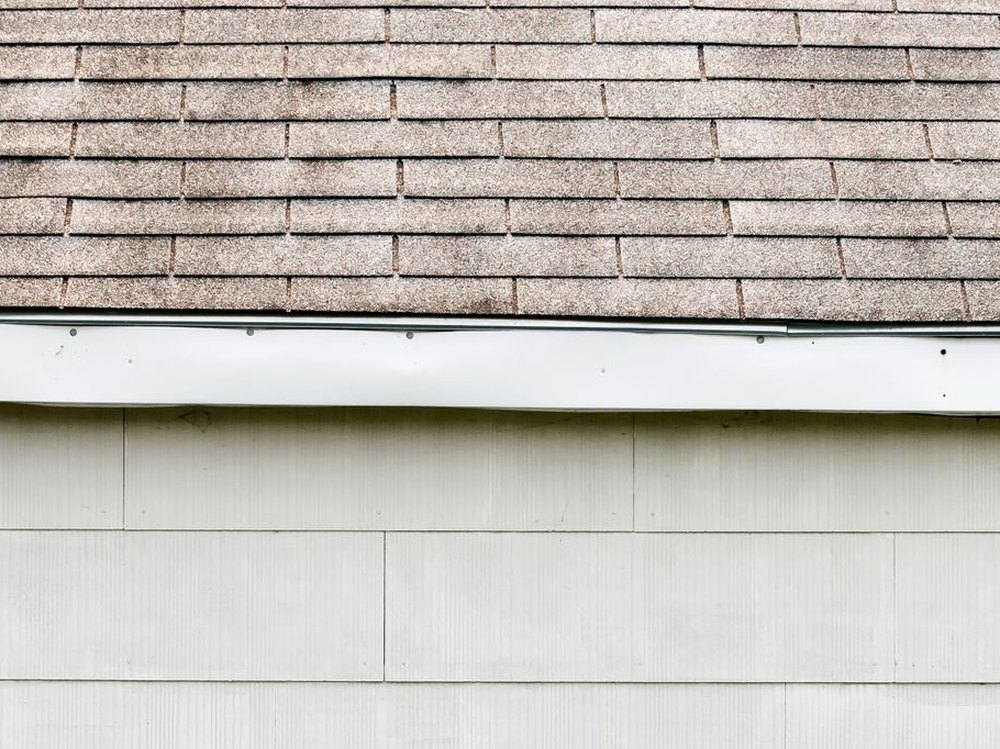
What it usually is
Brittle shingles and a soft deck decide it, not the roof’s age alone.
What we do
We lift a tab, look at the deck from the attic, and tell you straight whether it’s a repair or a new roof.
Photos that help: the whole roof from the street, and a close one of the eave from the ground.
Send photos of this
What it usually is
A ridge vent with nothing feeding it from the soffit. Both halves have to work.
What we do
We check intake and exhaust together, count what the soffit can actually breathe, and fix the half that’s missing.
Photos that help: the vents on the roof from the yard, and the soffit under the eave.
Send photos of this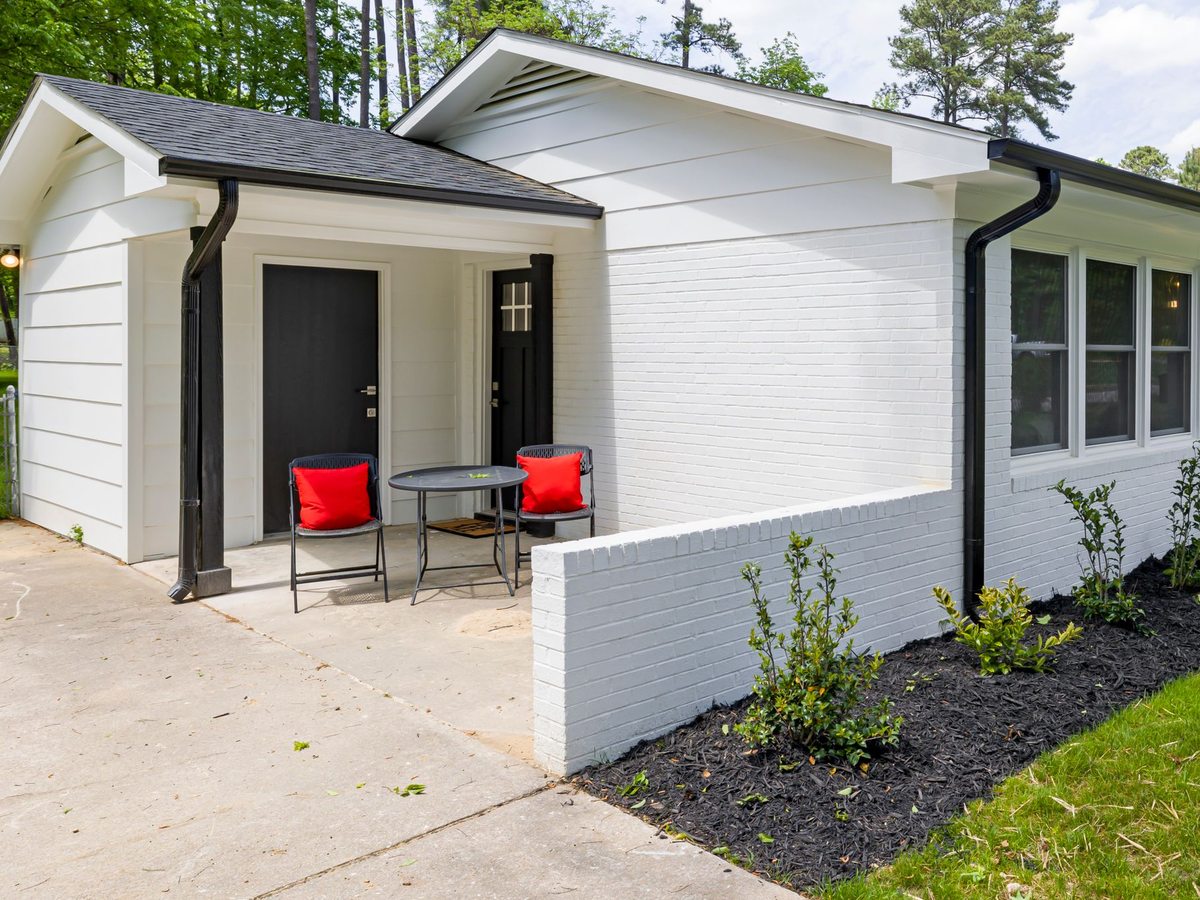
What it usually is
Rotten fascia is usually a missing or short drip edge, not the gutter.
What we do
We set the drip edge right first, then hang and pitch the gutter so water leaves the house.
Photos that help: the fascia and gutter from the ground, close enough to see the stain.
Send photos of thisA quote from photos
The chat on this page asks for the right photos and checks you’re safe first. Then a person takes over: Dale reads your photos and writes the quote himself.
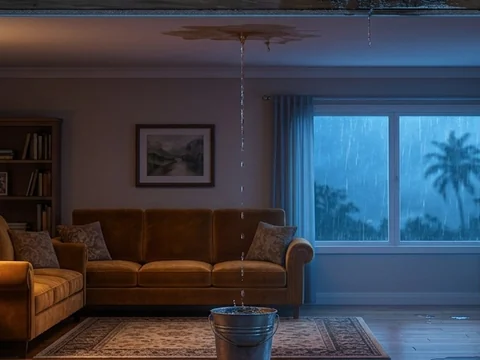
Don’t climb. The stain, from the floor, is the first photo.

The roof from the street, the eave, the stain. The chat says which shots help.

A person, not the chat. He reads the photos and emails you a range, line by line.

Pick up to three. Dale confirms the time by email or a call.
The range is confirmed when Dale sees the roof. Every photo from the ground, please: nobody needs to climb.

What you’re handed
Every visit ends with a written condition report, yours whether you hire us or not. If you ask for something we think is a mistake, it goes on the report anyway, with the reason, printed at $0.00.
Roof condition report
Overlay — second layer over the existing shingles — DECLINED
Requested and not done. A second layer hides a deck nobody has looked at, adds weight the framing was not designed for, and most shingle manufacturers void the warranty on an overlay. Tear‑off, inspect the deck, then re‑roof.
Pipe boot — east slope, 3″ ABS
Neoprene collar split all the way round the pipe, cracked by sun rather than age. A common leak on a Florida roof and the cheapest line on this report. Replaced with a lead boot, the sleeve dressed down inside the pipe.
Deck — north‑west corner, 3 sheets
Plywood soft where the old closed‑cut valley had been running behind the shingle. It sounded wrong underfoot before tear‑off and confirmed once it was open. Three sheets of 15/32 CDX cut in, H‑clips at the unsupported joints.
Deck re‑nail — whole roof
Existing deck re‑nailed to current Florida Building Code: 8d ring‑shank, 6″ on center, field and edges. Only possible with the deck exposed, which is only true on a tear‑off.
Drip edge — all eaves and rakes
The old roof had none at the rakes at all and a rolled 2″ hemmed edge at the eaves. New 8″ aluminum: at the eaves it goes under the underlayment, at the rakes over it, which is the way round most people get wrong.
Valley — house to garage wing
Closed‑cut valley, cut line wandering and starved of shingle on the low side. Opened up with 24″ W‑profile galvanized valley metal over self‑adhered membrane, shingles cut back 3″ and clipped.
Intake ventilation — soffit
Ridge exhaust was long and the intake was short: 14 of the 30 soffit panels were solid vinyl over solid plywood. A ridge vent with nothing feeding it pulls air out of the house instead of the eave. Eight more intake panels cut in and baffled.
Re‑roof — 22.4 squares
Tear‑off to deck, synthetic underlayment, 36″ self‑adhered membrane at every eave and in both valleys, starter at eaves and rakes, architectural shingle, six nails per shingle in the manufacturer's nailing strip, ridge vent cut and capped.
What we do
Eight kinds of roof work, all done by the same owner-run crew. Every one starts with a look at the roof and the attic.
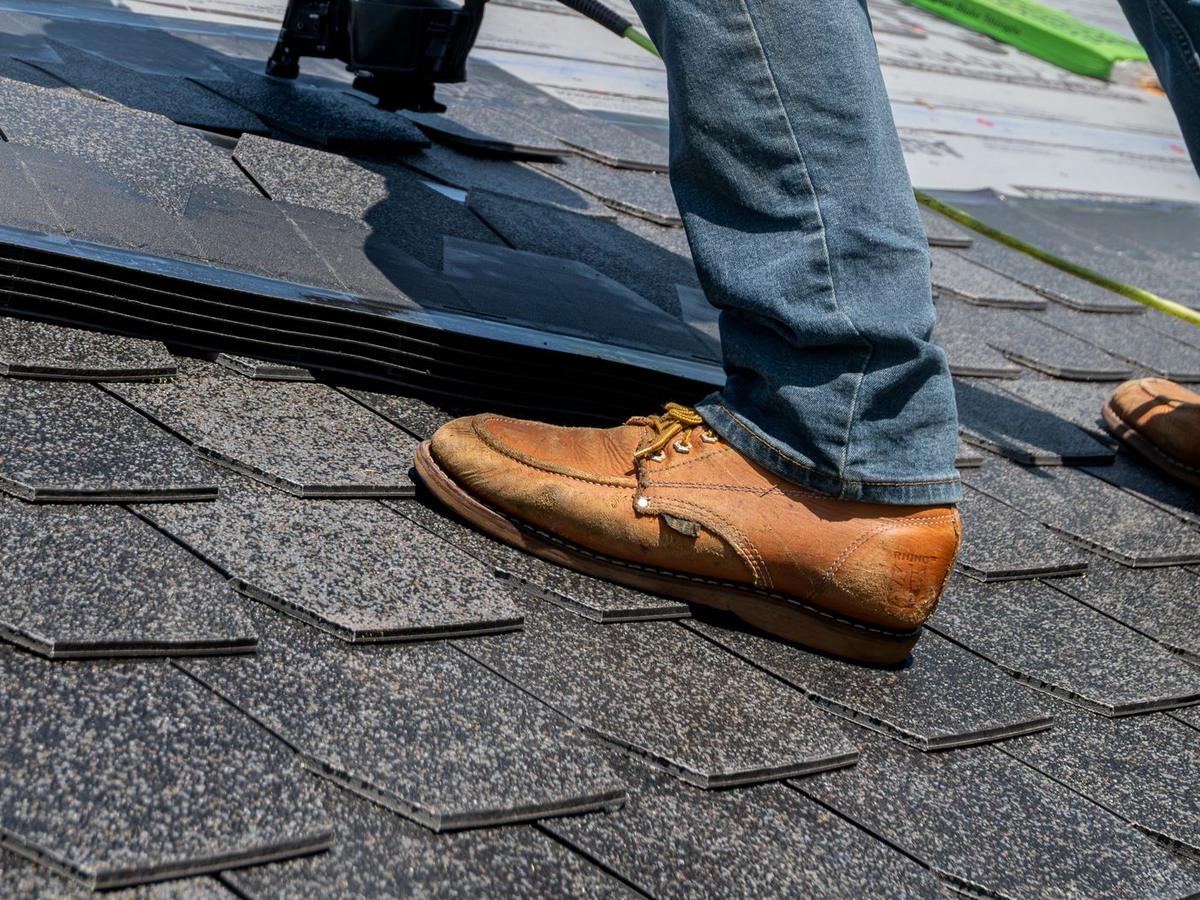
Down to the deck, re-nailed to code, dried in and shingled.
Learn more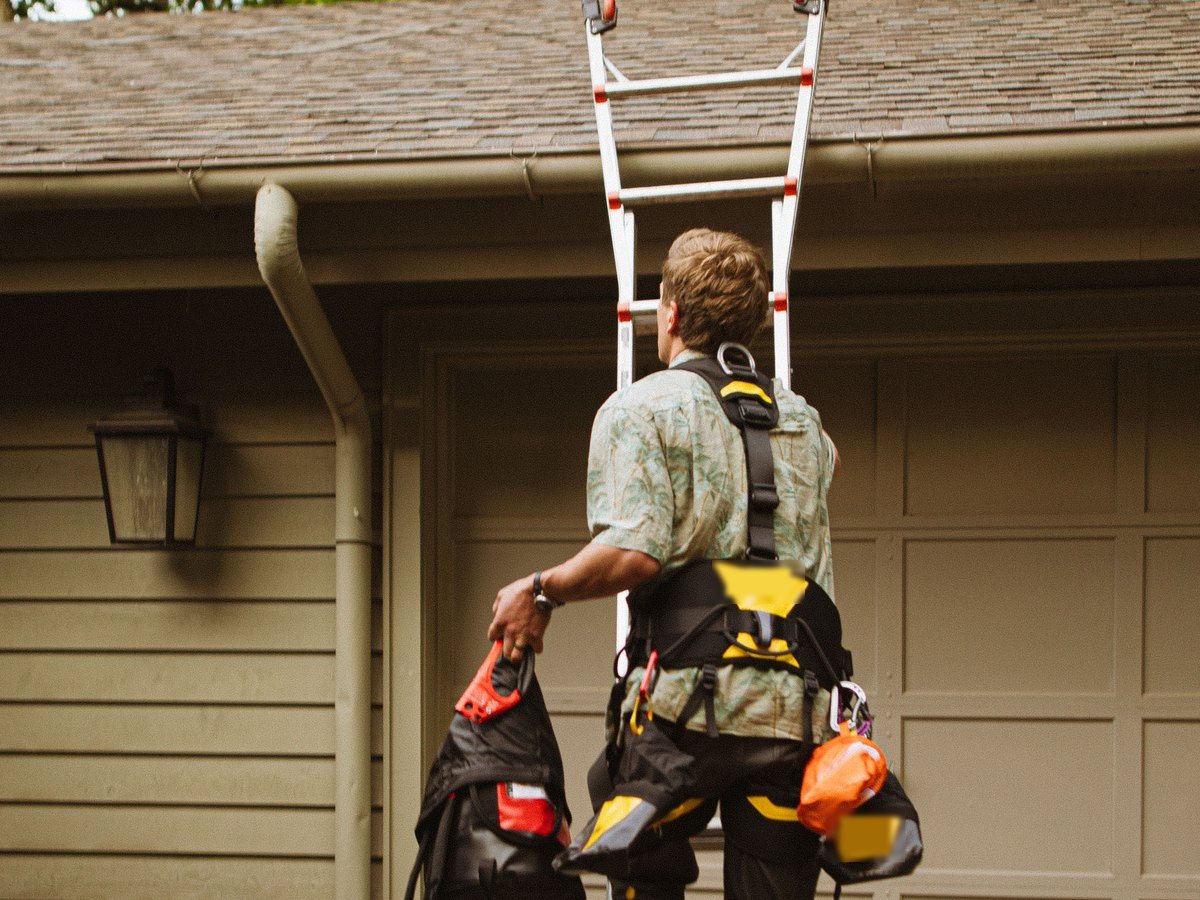
A repair when it’s honest, and a straight answer when it isn’t.
Learn more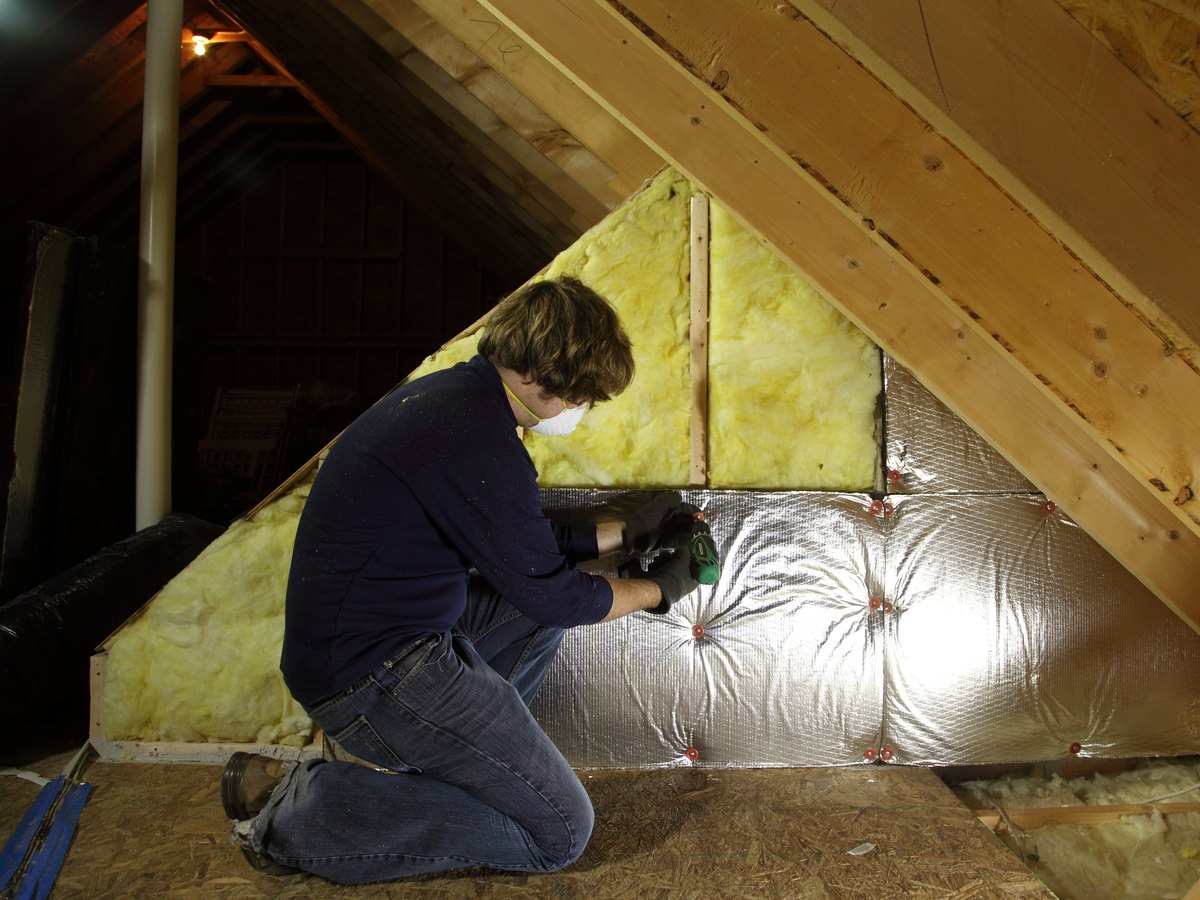
Attic first, roof second. The stain is rarely under the hole.
Learn more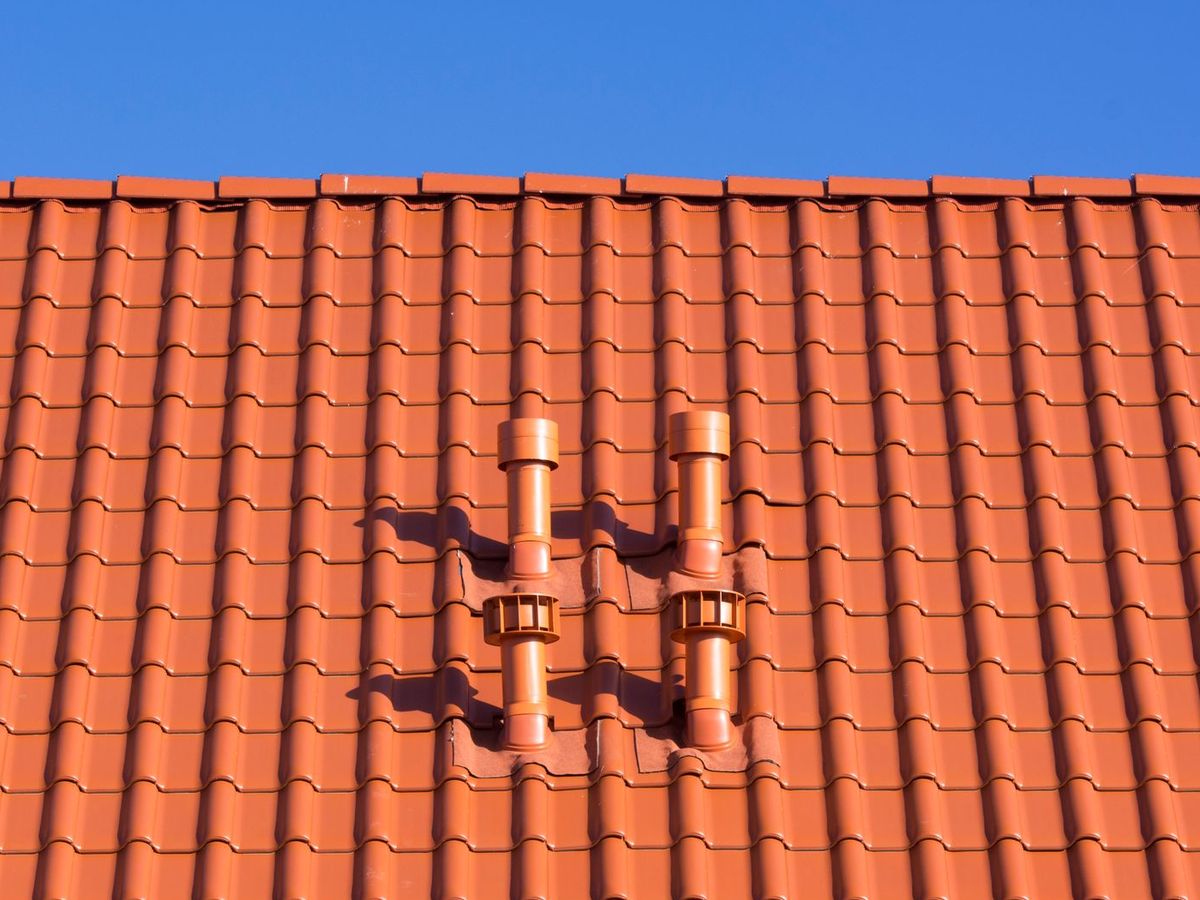
Where roofs actually leak, fixed with metal, not a tube of caulk.
Learn more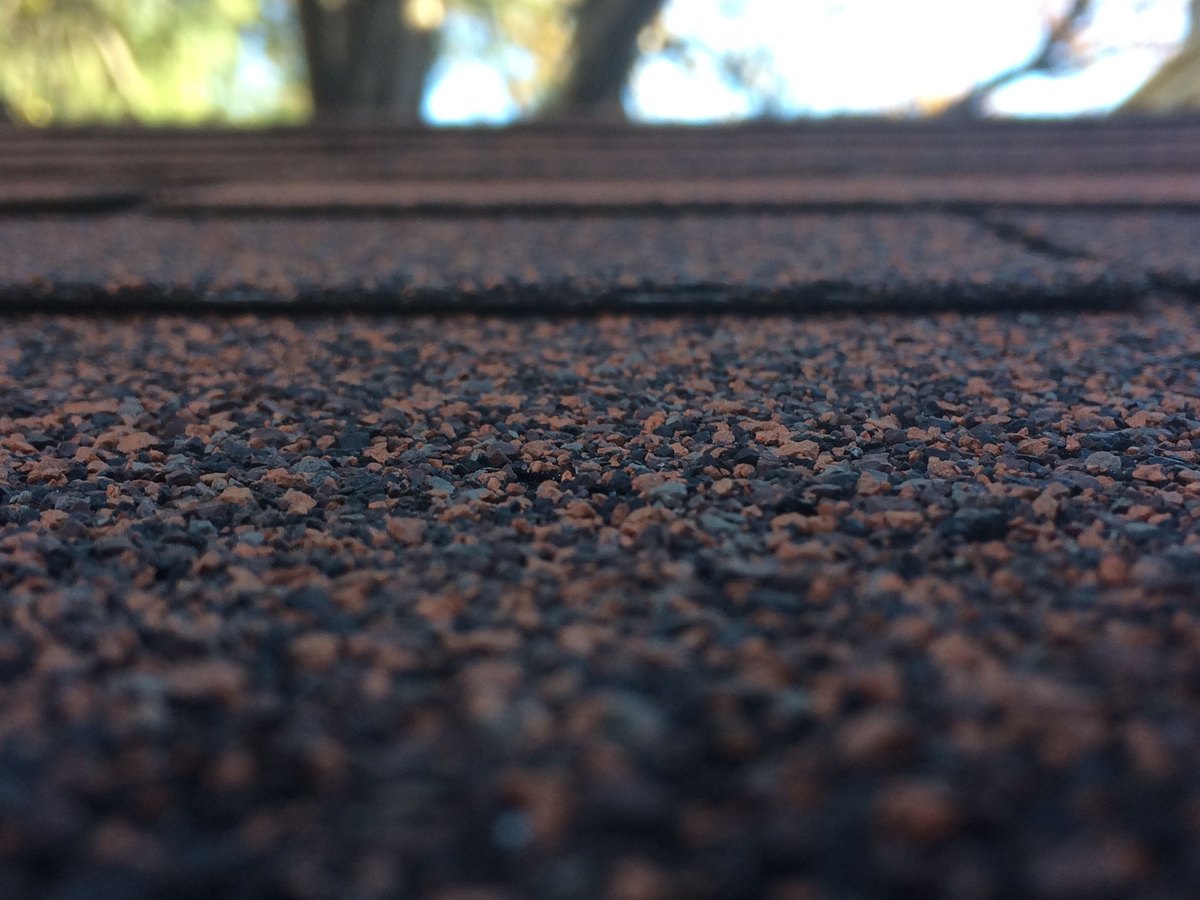
The ridge vent is the easy half. The soffit has to feed it.
Learn more
What we check after a storm, photographed and written down.
Learn more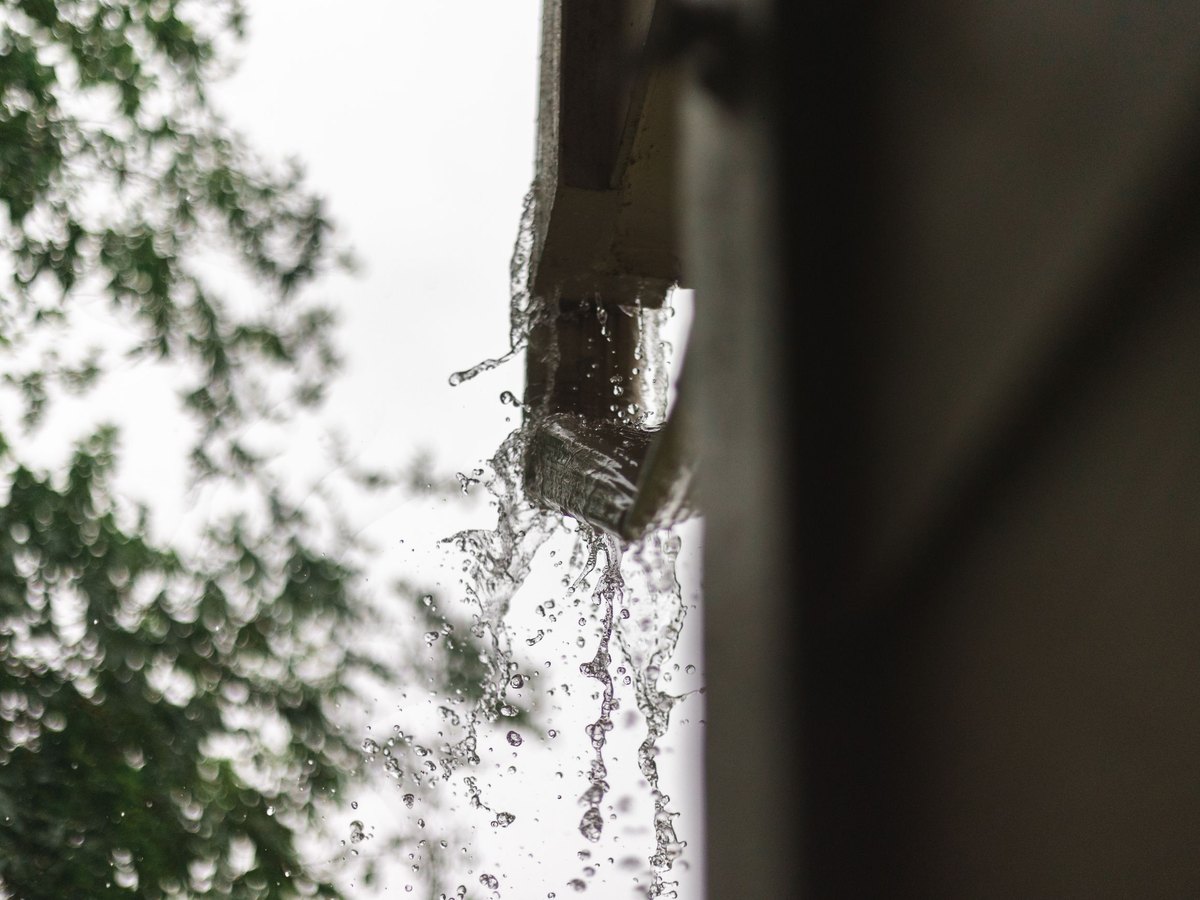
Hung and pitched so the water actually leaves the house.
Learn more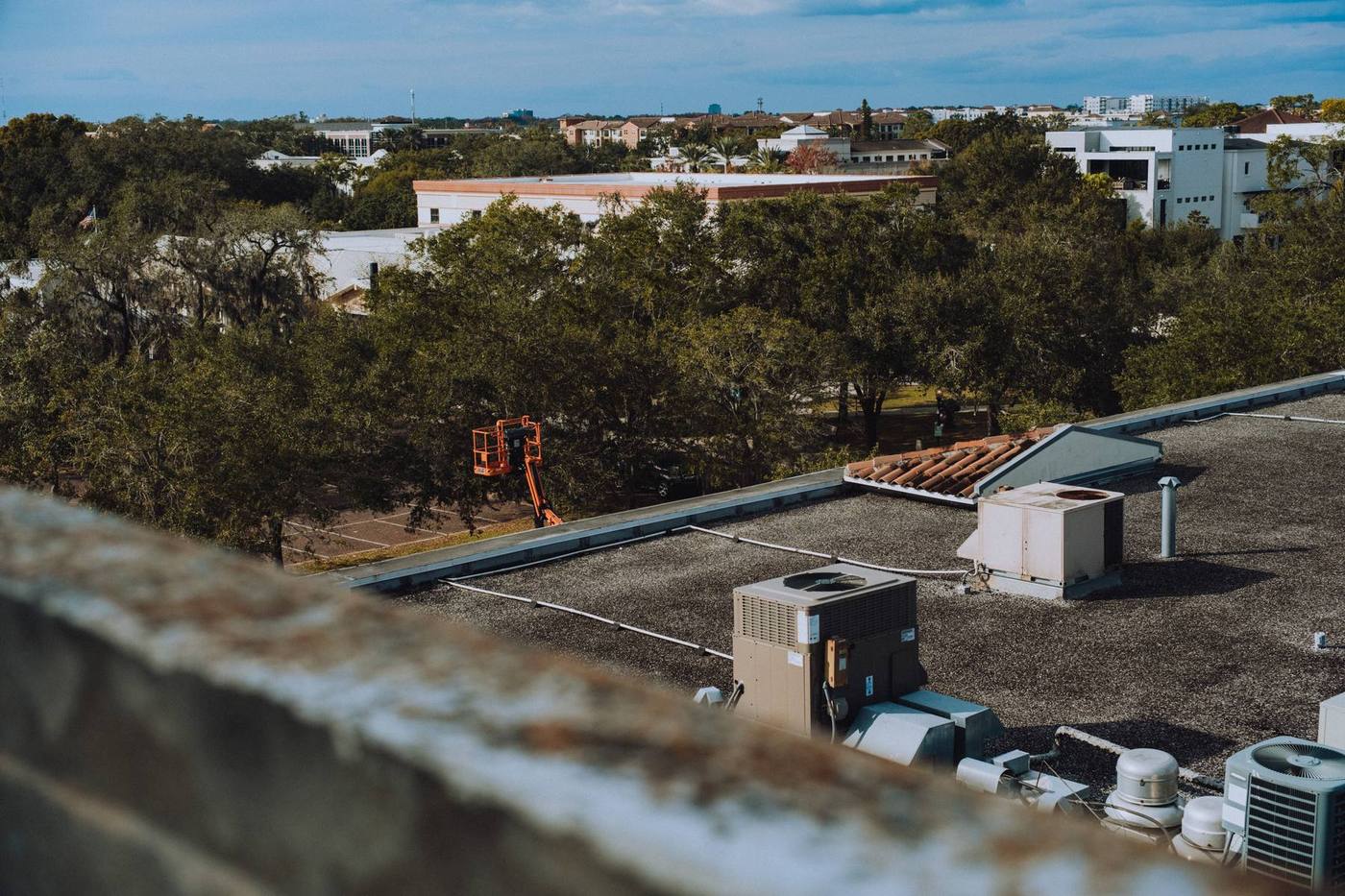
Lanai and porch roofs under 2:12 need a membrane, not shingles.
Learn moreStorm season
Six months, one short list each. Everything here is done from the ground or from inside the house.

Check
Gutters clear and draining. Branches touching the roof. Anything loose you can see from the street.
Photograph
Each side of the roof from the street. If anything happens later, you have a before.
Check
Ceilings after each heavy rain, especially near bathrooms, chimneys and outside walls.
Photograph
Any new stain from the floor, with something in the frame for scale.
Check
Granules collecting where the downspouts empty. Shingle edges curling, seen from the yard.
Photograph
The downspout outlet, and the slope that gets the afternoon sun.
Check
Once the wind has dropped, walk round the house at ground level. Shingles in the yard, a bent vent, a gutter pulled away.
Photograph
Anything on the ground where it landed, then each slope from the street.
Check
Stains on the soffit and fascia, and paint bubbling at the top of outside walls.
Photograph
The stain from the ground, with the gutter above it in the shot.
Check
The repair you put off in the summer. The dry months are the easiest time to have a roof opened up.
Photograph
The whole roof again from the street, and compare it with June.
Never on the roof, never on a ladder, never in the wind. Photos from the ground are all we need.

Who comes to your house
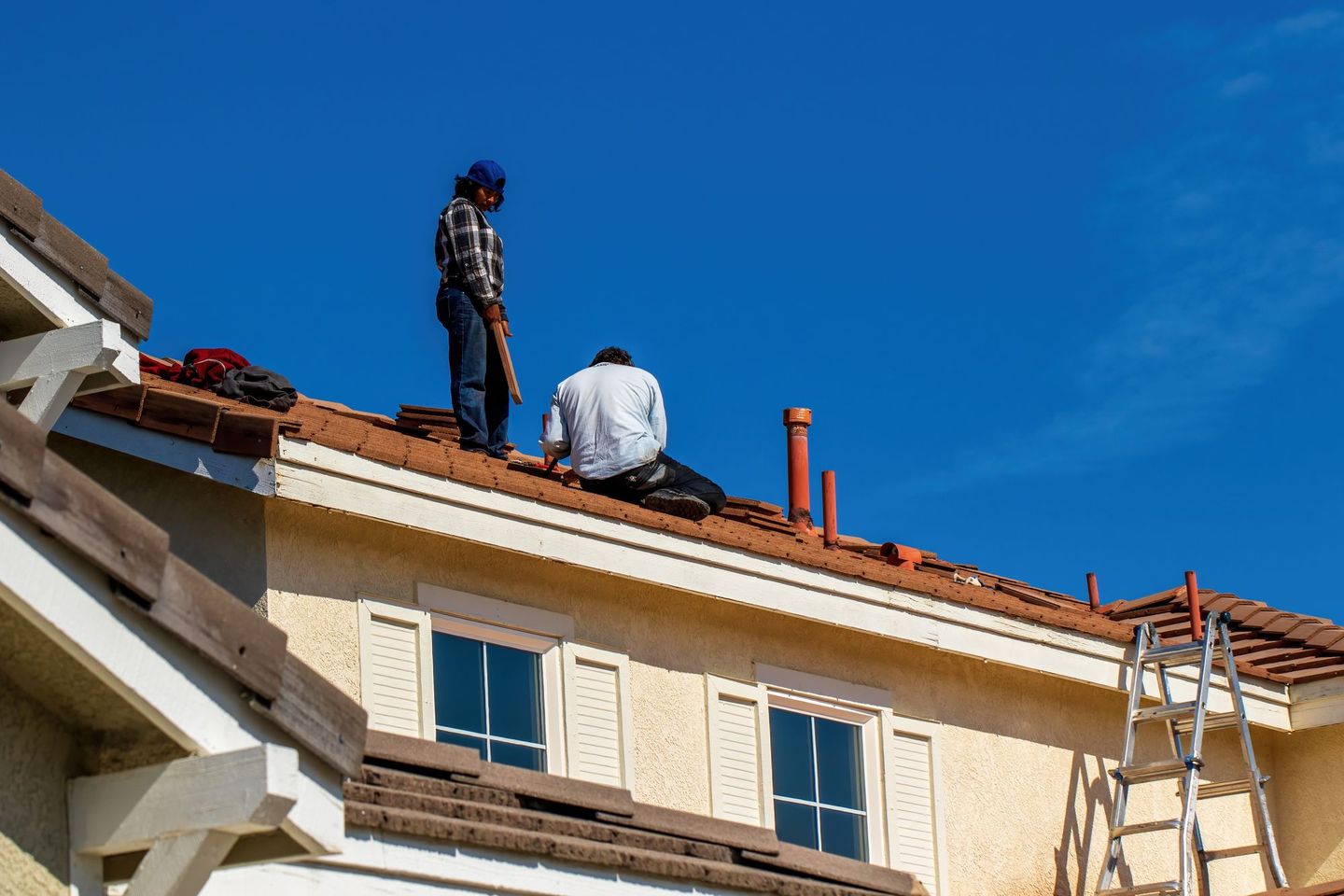
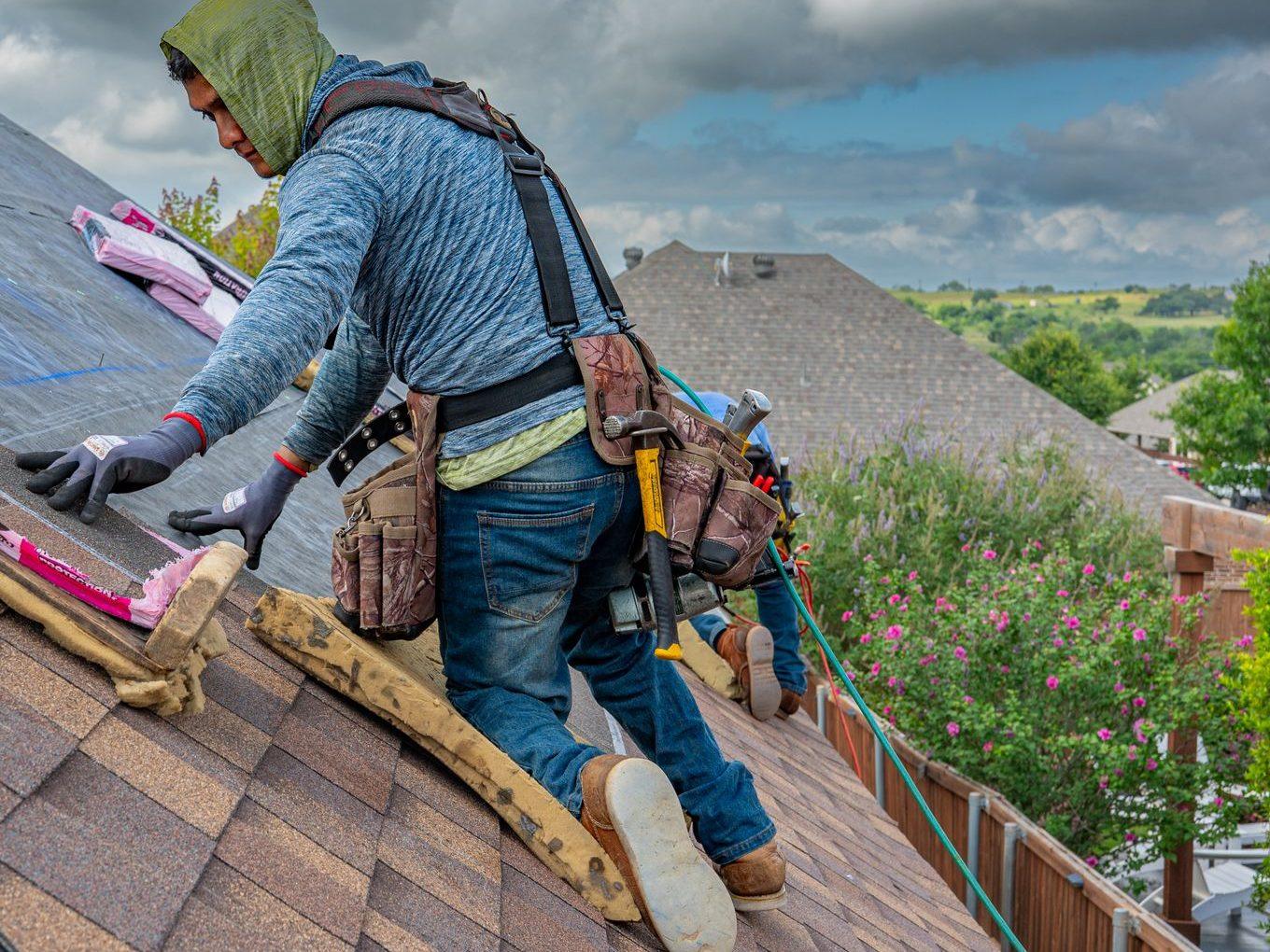
Dale reads every photo that comes in, writes every quote himself, and walks the finished roof with you. The crew are his own roofers, not a subcontractor sent from somewhere else.
Jobs near you
Tap a pin to see the job: the street, what was wrong and what we did.
Pipe bootSep 2026
Stain over the hall bath. Split boot replaced; attic dry the next rain.
FlashingAug 2026
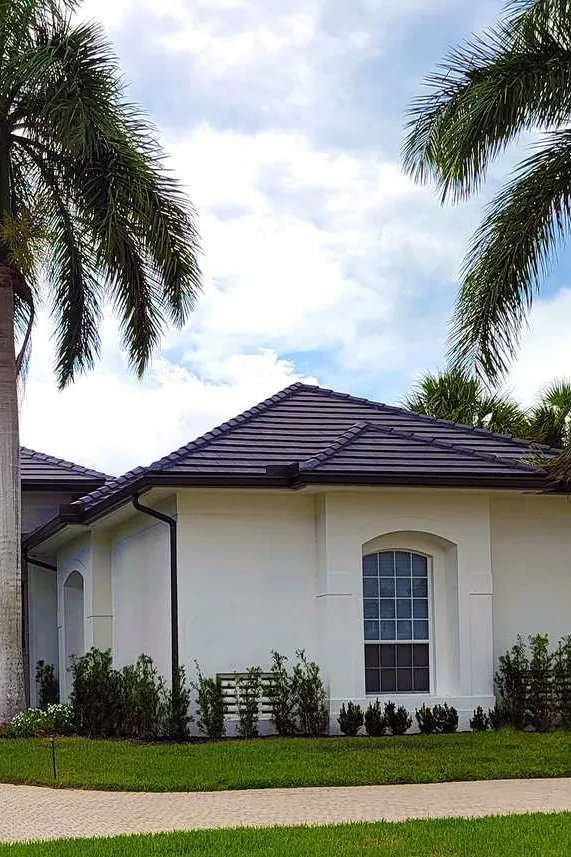
Step flashing re-done where the roof meets a stucco wall.
Before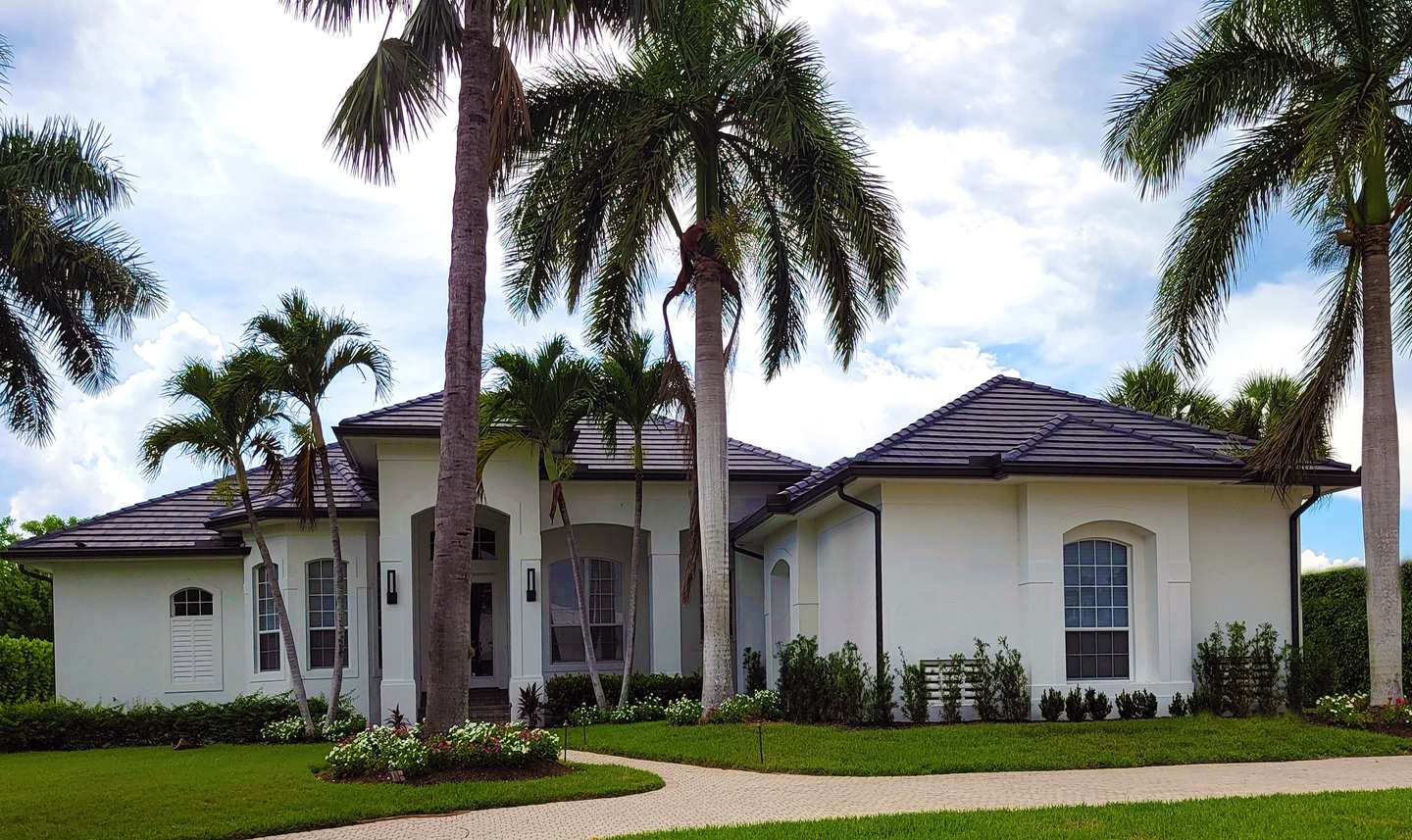 After
Re-roofJul 2026
Tear-off to the deck, four soft sheets replaced, re-nailed to code.
Deck repairJun 2026
Soft plywood under a valley cut out and replaced before it reached the ceiling.
Pipe bootOct 2026
Two boots split by sun. Replaced in under two hours.
Storm checkSep 2026
After the storm: three lifted tabs and a bent vent cap, nothing more.
GuttersAug 2026
Drip edge set first, then a new gutter pitched to the downspout.
VentilationJul 2026
Soffit intake opened up to feed a ridge vent that had nothing to pull from.
Flat roofJun 2026
Porch roof under 2:12 changed from shingle to a membrane.
Before After
Re-roofMay 2026
Second layer refused, old roof off, new architectural shingle.
Reviews
We were sure we needed a whole new roof after a stain showed up over the kitchen. Dale went in the attic, found a cracked pipe boot and fixed it that week. He showed us photos of both ends. Saved us a lot of money.
Clear written price with every line on it, including the overlay they wouldn’t do and why. The tear-off took two days, and they counted the rotten sheets with me while the deck was open.
I sent three photos from the driveway and one of the ceiling. The quote that came back listed the pipe boot and one more line, and that is exactly what we paid. Nobody tried to sell us a roof.
Any time, day or night
The chat on this page answers straight away, tells you when something can’t wait, and passes your name and number to the owner when it should.
It sends your photos to Dale, who writes the quote himself. It never prices a job, and it will never tell you to climb up and look.
Hi, this is Halyard Roofing. What’s happening with your roof?
Tap one to start. It answers straight away, day or night.
Local and owner-run
One crew, so we keep it close: Orlando and the towns around it, roughly half an hour from the shop.
Straight answers
It depends on three things, and none of them is the roof’s age on its own. Is the damage in one place or everywhere? Is the deck sound? And are the shingles still flexible enough to lift without cracking? A roof with one bad valley and good years left gets repaired. A roof where the tabs snap when you lift them gets replaced, and we’ll tell you which one you have.
No. An overlay hides the deck, adds weight, sits on an uneven surface and usually voids the shingle warranty. It also rules out the deck re-nail Florida asks for on a re-roof. We take the old roof off, look at the deck and then roof it.
A straightforward single-story house is usually two days: tear-off, deck work, re-nail and dry-in on the first, shingles and cleanup on the second. Roofs with a lot of valleys and walls take longer. You get a day count with the written scope.
Nothing to hold a date. Material is ordered after you sign the scope, and the balance is due when the job is finished and you’ve walked it with us.
Not standing seam, no. Doing it properly takes different tools and a lot of practice, and doing it badly is expensive to undo. If metal is what you want, we’ll tell you honestly that it isn’t our work.
Send three photos from the ground. If it can wait, Dale will say so, and if it can’t, he’ll say that too.
Bots On Staff · built for shops like yours
The chat on this page asks for the right photos and checks four safety questions before anything else. Say there is a stain on the ceiling and it goes straight to the penetration: a split pipe boot, a nail backed out, flashing at a wall. Most leaks start there. It hands you the name, the number and the photos; you write the quote. It never prices a job.
website from $1,195, paid onceMini $49 a month, no botsStarter $149 a month, the first botsGrowth $249 a month, every bot
We build your first home page free, on your own name, and you look at it before any money moves. The website is yours to keep. Thirty days’ notice, any time. One roofing company per area.