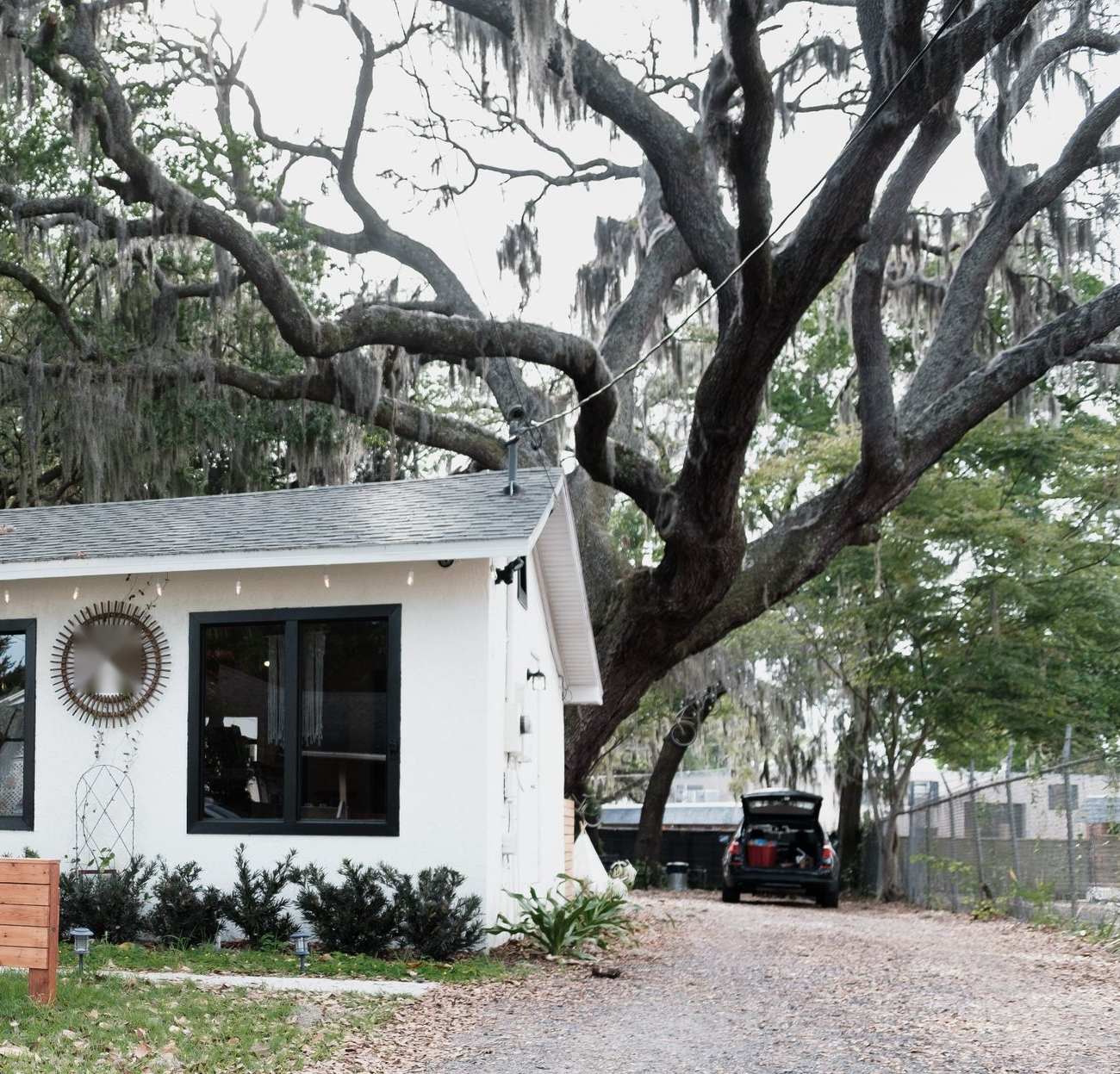
Tree risk assessment in Sarasota
Is it safe? A written answer about the tree, what it could hit, and what your options are.
Is this you?
Signs a tree needs a proper look
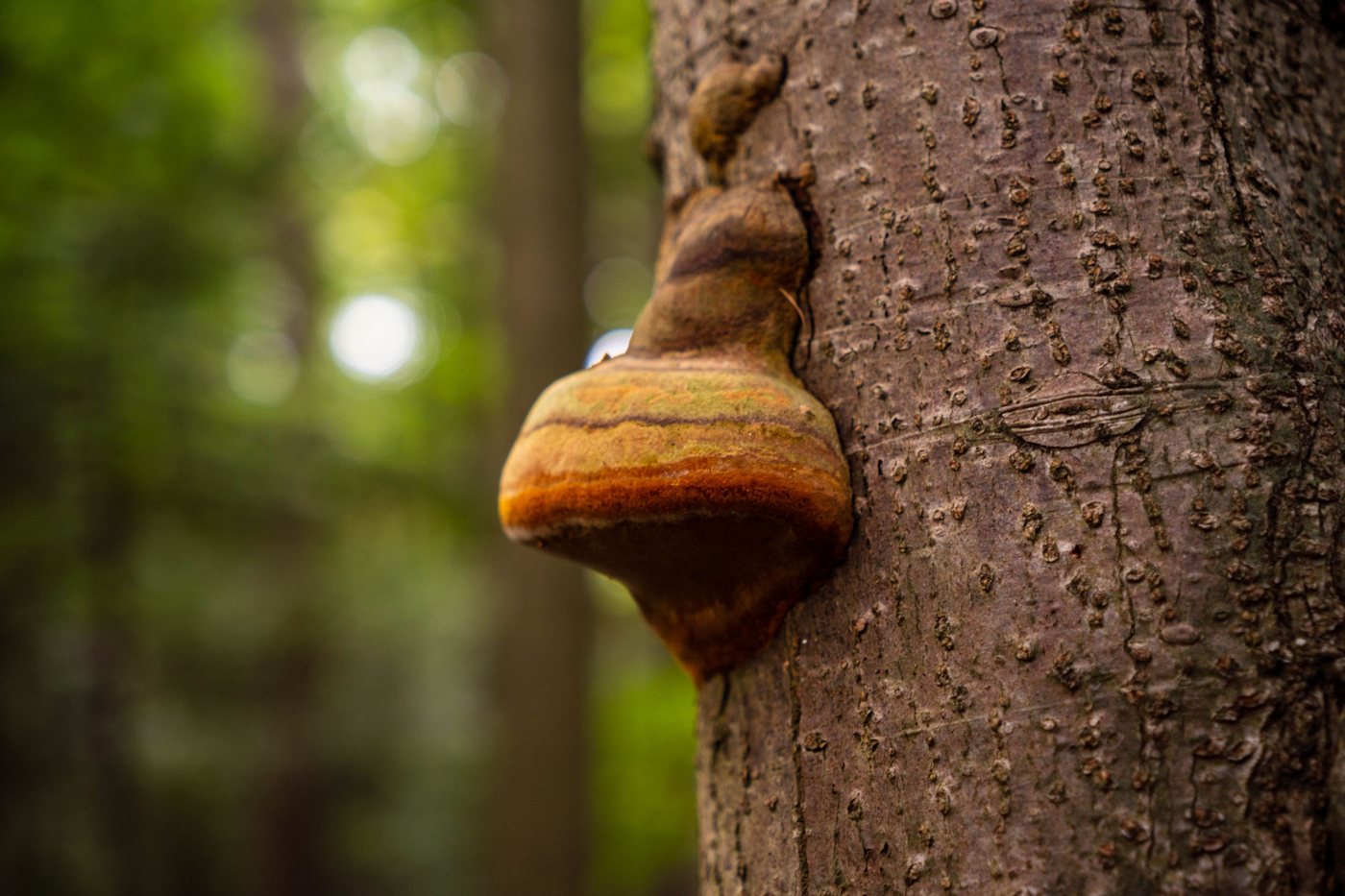
Mushrooms or a shelf at the base
A fungus at the root flare usually means decay older than the mushroom.
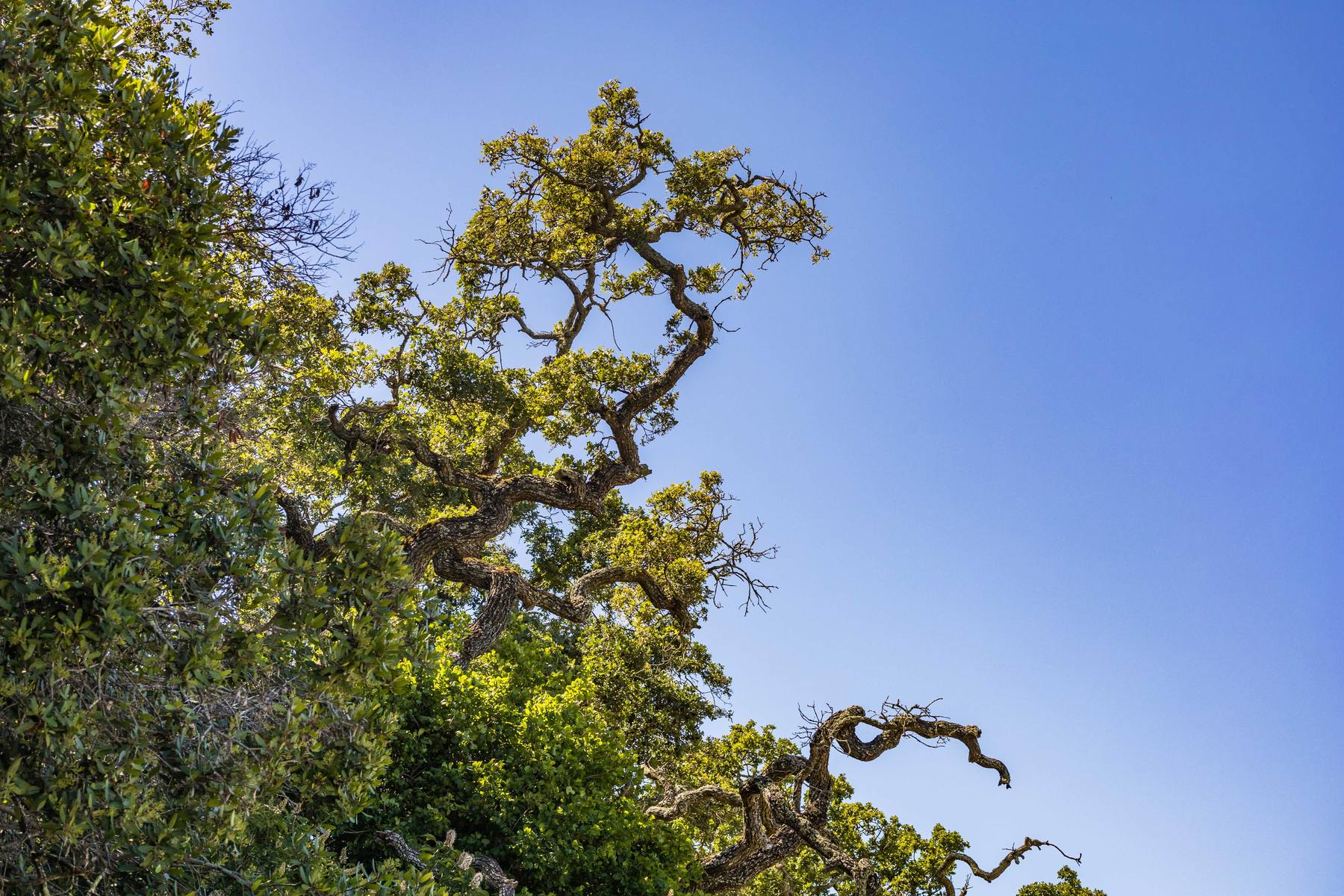
A thin or dying crown
Dead wood in the top, or leaves that come in small and late.
Something important under it
A bedroom, a play area, a drive. Risk is where the tree meets a target.
How we see it
A risk assessment assesses a target, not just a tree.
A tree that could fail in the middle of a hundred-acre pasture is not a risk. It is a tree. Risk exists where something that can fail meets something that can be damaged, and the assessment is about both.
- Three questions: how likely it is to fail, how likely it is to hit something, and what happens if it does.
- Options, not one answer: prune, reduce weight, move the target, or remove.
- Residual risk stated: no report makes a tree safe, and ours won’t claim to.
How we do it
How an assessment goes
The site and the targets
What’s within reach of the tree, and how often people are there.
From the ground up
Root flare, trunk, unions, crown. Decay, cracks, lean and past damage.
The odds, written down
Likelihood of failure, of impact and the consequence, tree by tree.
Your options
What would lower the risk, what it costs, and what doing nothing means.
What it costs
What an assessment costs
It’s estimated and paid for separately from any work it might recommend, so the answer doesn’t depend on a sale.
How many trees
One tree over a bedroom, or a walk across a whole lot.
How deep it goes
Most homeowners need a thorough ground-based look. Climbing or drilling is only for a specific question.
The report
A written report, tree by tree, is part of the price.
The details
For the people who want every step
The three questions
Formal tree risk assessment reduces to three judgements, made separately and then combined.
- How likely is this part to fail? Not the tree in general — the specific part. A codominant union with included bark, a limb over the drive, a root plate, a decayed section of trunk. Each gets its own answer.
- If it fails, how likely is it to hit the target? This is where the target comes in. A limb over a garden shed nobody enters and a limb over a bedroom are the same limb with wildly different answers. Occupancy matters: a driveway used twice a day is not a patio in constant use.
- If it hits, how bad is that? A four-inch branch onto a car and a twelve-inch limb onto a screened porch with people in it are not the same consequence.
The three combine into a rating — low, moderate, high, extreme — which is a communication tool, not a physical measurement. It exists so an owner can compare one tree against another and decide where the money goes.
What is actually looked at
The inspection runs bottom to top, because the failures that kill people are usually at the bottom.
- The site. Recent construction, trenching, grade changes, a new driveway over the root zone, irrigation habits, drainage, and which way the prevailing wind loads the tree.
- The root collar. Does the trunk flare into the ground or go in like a post? A missing flare often means the tree was planted too deep or buried by grading, and it can mean girdling roots. Fungal fruiting bodies at the base are read carefully — the decay is always older than the mushroom.
- The trunk. Cavities, seams, old wounds, bulges and depressions, sounding with a mallet where it is warranted, and whether there is enough sound wood shell left around whatever is hollow.
- The unions. Included bark, cracks, previous partial failures, and the presence or absence of a branch bark ridge.
- The crown. Dead wood, hangers, previous topping and the weak regrowth it produced, end weight on long limbs, and whether the foliage this year matches the foliage the tree ought to have.
Levels of assessment
There are three, and they cost different amounts because they are different work.
- Limited visual. A pass over many trees, often from a vehicle or on foot at a distance, looking for obvious defects. Appropriate for screening a large property, not for answering a question about one tree.
- Basic. A walk-around, ground-based, three-hundred-and-sixty degrees, looking at the site, roots, trunk, unions and crown, with binoculars and a mallet. This is what almost every homeowner needs and what “a tree risk assessment” normally means.
- Advanced. Tools and climbing: resistance drilling or tomography to map decay, an aerial inspection of a union that cannot be seen from the ground, load testing. Commissioned when the basic assessment leaves a specific question unanswered and the answer is worth paying for.
What you get
A written report. Each tree identified by species and location, each defect described, each part rated, and a set of options with what each one buys you. Options normally include doing nothing, monitoring on a stated interval, reducing end weight, installing hardware, moving the target, and removal — and they are presented as options rather than as an estimate with a foregone conclusion.
The report says what conditions it was made under and how long it is good for. A tree assessed in April is not certified for the following January, and any assessment made before a hurricane describes the tree that existed before the hurricane.
Residual risk
Every report ends with this and it is not boilerplate. After the recommended work, risk remains. Trees fail in wind that no inspection predicts, and internal decay is never fully knowable from outside. What an assessment does is move you from a feeling to a described probability, so the decision about what is acceptable is genuinely yours to make.
Why it is a separate service
Because an assessment written by the person hoping to sell the removal is worth less, and everyone knows it. It is estimated and paid for as its own piece of work, and the report stands whether or not any work follows. If it recommends nothing, that is the finding.
How it’s specified on the scope
| What is assessed | A tree, a target, and the odds — likelihood of failure, likelihood of impact, and consequence. |
|---|---|
| Level 1 — limited visual | Screening pass across many trees. Not an answer about one tree. |
| Level 2 — basic | Full ground-based walk-around: site, root collar, trunk, unions, crown. The usual homeowner assessment. |
| Level 3 — advanced | Climbing inspection, resistance drilling, decay mapping. Commissioned for a specific unanswered question. |
| Deliverable | A written report, tree by tree, with options rather than a single recommendation. |
| Validity | Stated in the report. Conditions change; a storm invalidates it. |
| Independence | Estimated and paid for separately from any work it might recommend. |
| Residual risk | Always stated. No assessment makes a tree safe, and none claims to. |
Questions
What people ask us about this
Is this just a free estimate with another name?
No. It’s a separate service, paid for separately, and the report stands on its own whether or not you hire us for the work.
Can you tell me my tree is safe?
No one honestly can. We can tell you how likely a failure is and what it could hit, and what would lower that. The decision stays yours.
How long is the report good for?
It says so in the report. Trees change, and a big storm resets the clock.
Do you need to climb the tree?
Usually not. Most questions are answered from the ground. Climbing or drilling is added only when there’s a specific thing the ground can’t tell us.
Want somebody to look at it properly?
Tell us what the tree is doing. The owner calls you back to set a time to walk it, and nothing is priced before somebody has stood under it.
Other work