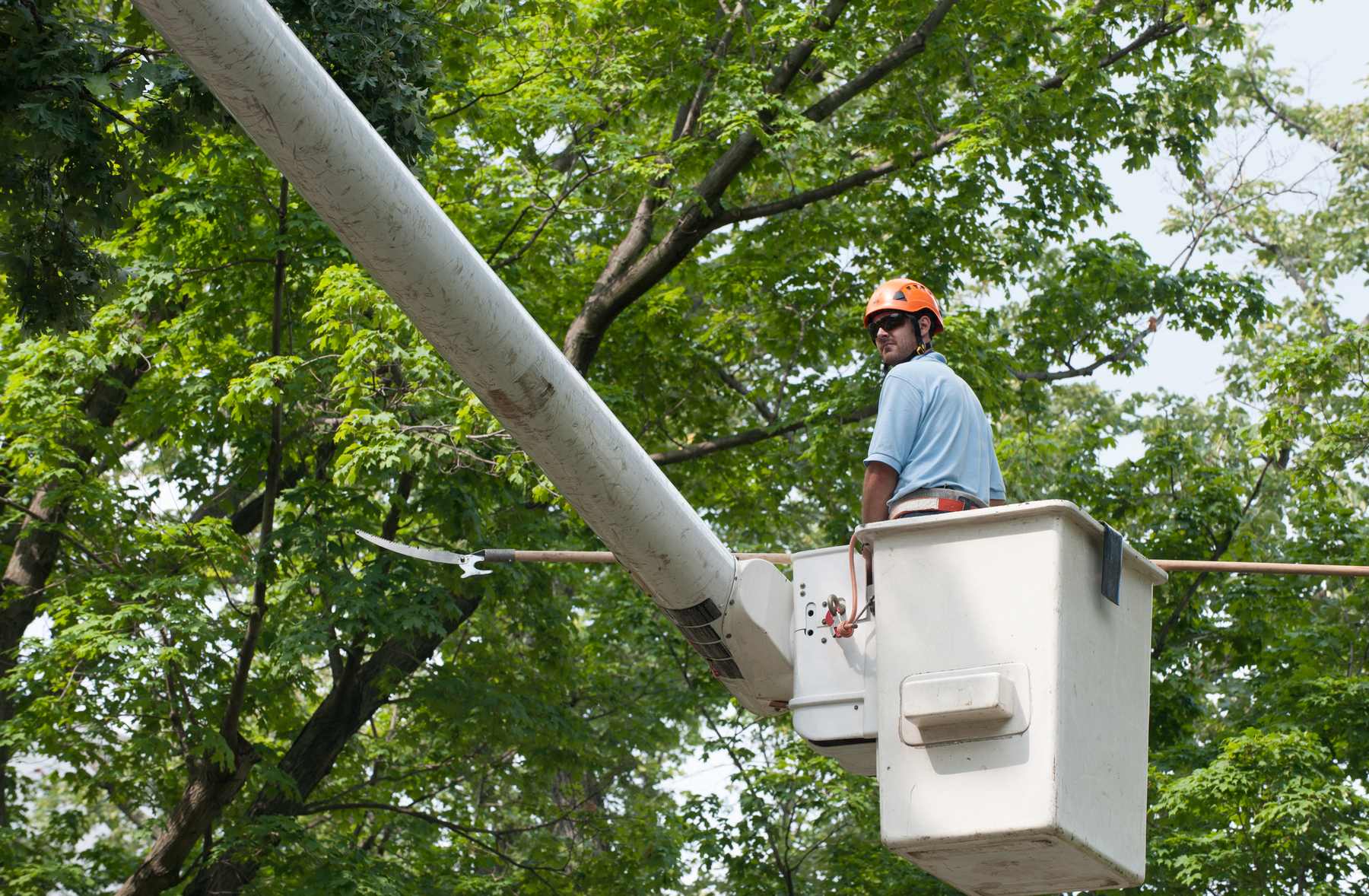
Tree trimming in Sarasota
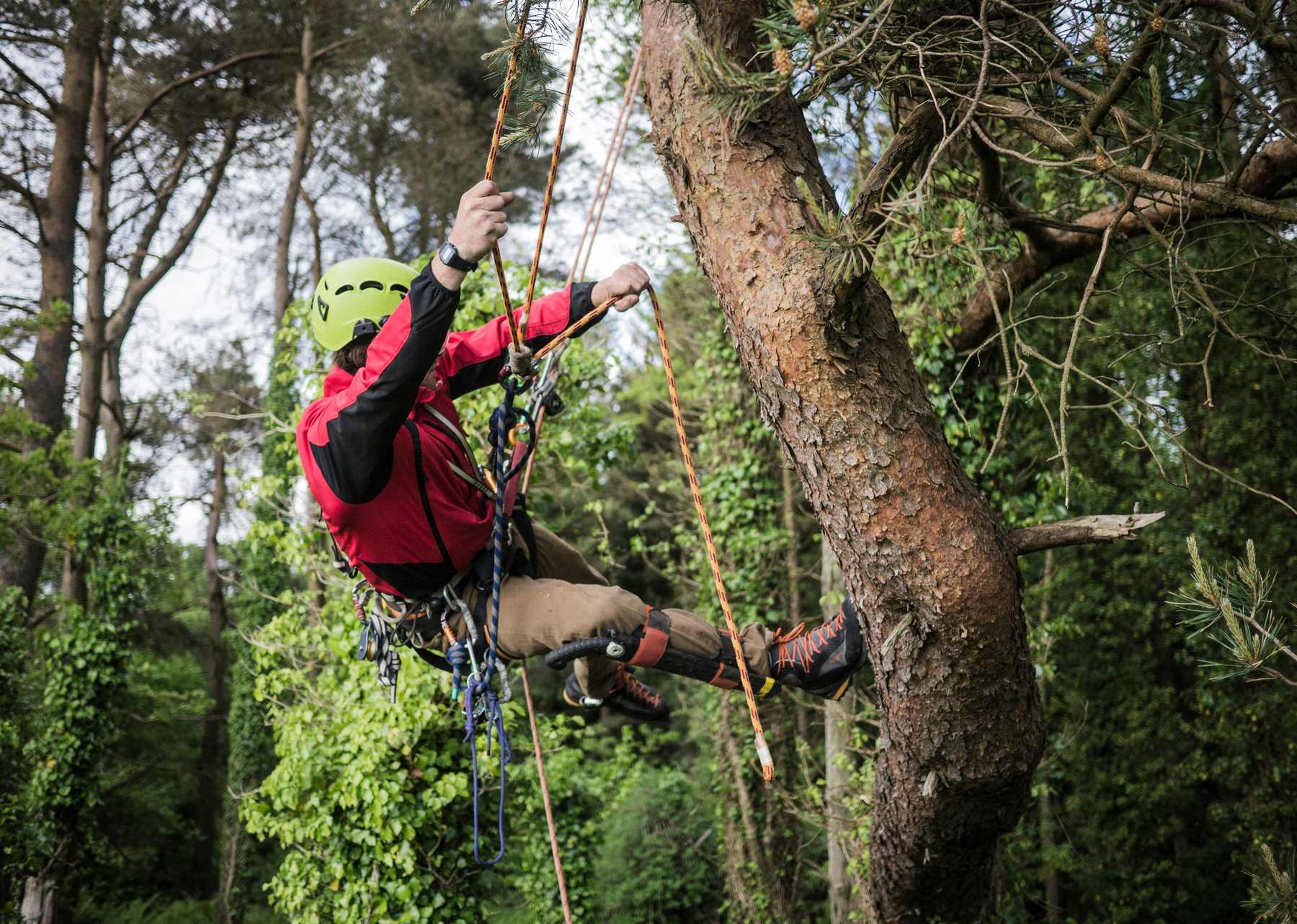
Deadwood out, clearance off the roof, and every cut placed where the tree can close it. Climbed on a rope, never on spikes.
Is this you?
Signs it’s time to trim
Limbs on the roof or the screen
Branches rubbing shingles or leaning on a pool cage in the wind.
Dead wood in the crown
Bare, grey limbs over a drive, a walk or the patio.
It hasn’t been looked at in years
Fast growers like water oak need a cycle of a few years, not a one-off.
How we see it
Pruning is a series of decisions, then a series of cuts.
Every cut is a wound the tree has to pay for out of stored energy. That is the whole discipline: make fewer cuts, in the right places, at a dose the tree can afford.
- An objective on the scope: clean, thin, raise or reduce, not just “trim”.
- A dose we write down: the share of live crown coming off, about a quarter at most.
- Clearance as a number: “eight feet off the roofline”, not “back off the house”.
How we do it
How we trim a tree
We walk it with you
Bottom to top, and you tell us what bothers you. That decides the objective.
The scope names the cuts
Which limbs, how much, and the clearance you’ll measure afterwards.
Cuts at the collar
Just outside the branch collar, never flush, never a stub. Heavy limbs in three cuts.
Raked and written up
The yard raked, and the card listing what was done to each tree.
What it costs
What trimming costs
You get a price per tree on the written scope, so you can strike one and watch the total move by that much and nothing else.
How much is coming off
A dead-wood clean is quicker than a reduction over a roof.
What’s under the limbs
Anything over a roof, a cage or a car is rigged and lowered, not dropped.
How we get to it
Climbing is the norm. A lift where there’s access and it genuinely helps.
The details
For the people who want every step
The four things pruning can be
ANSI A300 names the objectives, and it is worth knowing them because they are what should appear on a written scope instead of “trim.”
- Cleaning removes dead, dying, broken and diseased wood. It is the lowest-risk pruning there is and it removes no live crown, so it does not count against the dose. Most trees need this and little else.
- Thinning selectively removes live branches to reduce density. Genuinely useful in a crowded, crossing canopy. Massively over-sold everywhere else, for reasons below.
- Raising removes the lowest branches for clearance over a drive, a walk or a roof. Careful with young trees — those low branches are what builds trunk taper.
- Reduction shortens limbs back to living laterals. That has its own page.
Lion-tailing, and why your tree looks like that
Stripping out the interior branches and leaving a tuft of foliage at the end of each limb is common, profitable and actively harmful. It is easy to sell because it looks tidy from the driveway and because somebody said the wind should “pass through.”
What it does is move all the weight and all the leverage to the far end of a limb, delete the interior foliage that was feeding the limb along its length, and expose bark that has never seen direct sun. The limb responds by pushing epicormic shoots from the stripped section, which are weakly attached, and the limb itself becomes more likely to fail, not less. A properly thinned tree still has leaves along the inside of its branches.
Where the cut goes
At the base of every branch is a swelling of overlapping trunk and branch tissue — the branch collar — and running up into the crotch is a raised seam called the branch bark ridge. Between them they mark the line. The cut goes just outside the collar, angled to follow it, leaving the collar intact and the wound as small as it can be.
Cut flush with the trunk and you have removed the collar, which is the tissue that grows the ring of callus over the wound. There is nothing left to close it with, so the decay column runs down into the stem. Leave a long stub and the stub dies back before the collar can reach it, with the same result and worse looks.
Anything heavier than an arm comes off in three cuts, not one: an undercut a foot or so out, a top cut beyond it so the limb falls without tearing, then the final cut at the collar on the remaining stub. Skip that and the limb peels bark down the trunk as it goes.
Dose, and the number to ask about
Roughly a quarter of a mature tree’s live crown is the working ceiling for one season, and less on a tree that is old, drought-stressed, root-damaged or recently moved. Dead wood does not count — it was not feeding anything.
Young trees tolerate more, and structural pruning on a young tree is the single highest-value thing anyone can do to it: choosing a leader, subordinating the competing stem, spacing the scaffold branches. Ten minutes with hand pruners at year five prevents the codominant union that needs cables at year thirty.
Timing, and no paint
Dead wood can come out any time. Heavy live pruning is best avoided during the spring flush, when the tree has spent its reserves and not yet got them back, and during a hard drought, when it cannot afford the water loss either. In practice, late winter is easy on most of what grows here.
No cut is painted, tarred or sealed. Dressings hold moisture against the wound and against the decay organisms that are already there, and a tree does not heal a wound — it walls the damage off internally and grows new tissue over it from the collar. Paint gets in the way of the second half of that and hides the cut from whoever inspects it next.
How it’s specified on the scope
| Objective | Named in ANSI terms — clean, thin, raise or reduce — not “trim.” |
|---|---|
| Dose | The percentage of live crown to be removed, written down. About 25% ceiling, less on a stressed tree. |
| Clearance | A measurement. “Eight feet off the roofline,” not “back off the house.” |
| Cut placement | Outside the branch collar, no flush cuts, no stubs. Three-cut method on anything heavy. |
| Wound treatment | None. No paint, tar or sealant is carried. |
| What is excluded | Lion-tailing, topping, and interior stripping. If those are what you want, we are the wrong company. |
| Cycle | Fast-growing species such as water oak come back on a cycle of a few years. That is the tree working, not a defect. |
Questions
What people ask us about this
How much of my tree will you take off?
About a quarter of the live crown in a season at most, and less on an old or stressed tree. That’s the ANSI A300 working figure, and we write the actual percentage on your card.
Why don’t you paint the cuts?
Wound dressing traps moisture against the cut and doesn’t stop decay. A tree walls damage off from the inside and closes the wound from the collar outward. Paint gets in the way of that, and hides the cut from the next person who looks.
When is the best time to trim oaks here?
Dead and dangerous wood, any time. Structural pruning is gentlest outside the spring flush, and never on a tree already stressed by drought.
Will my tree look thinned out?
No. “Opening it up” by stripping the inside of the crown is a common mistake that pushes weight to the ends of the limbs. We don’t do it.
Want somebody to look at it properly?
Tell us what the tree is doing. The owner calls you back to set a time to walk it, and nothing is priced before somebody has stood under it.
Other work