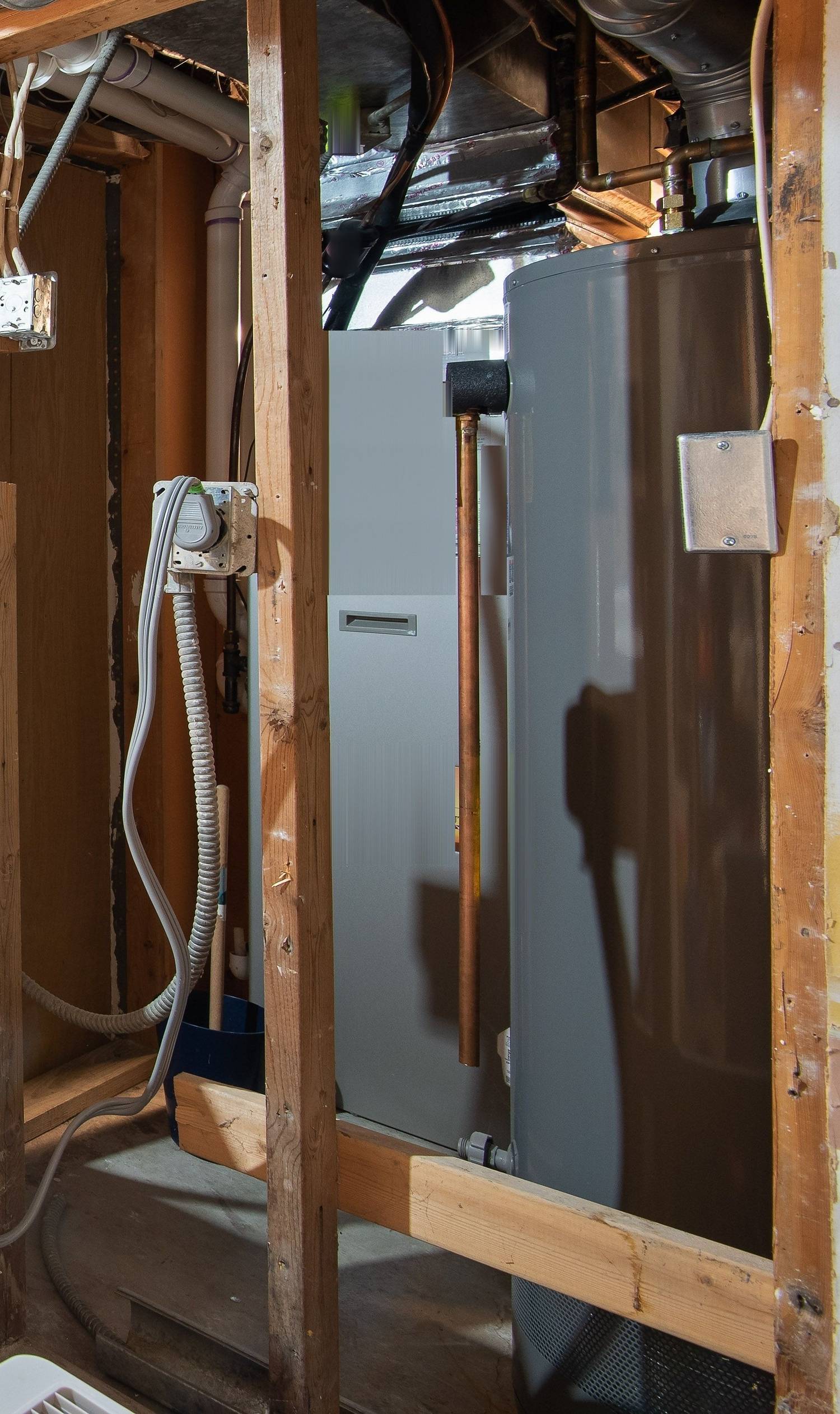
Water heaters · Tampa, FL
Water heater repair in Tampa
No hot water, a dripping relief valve, or a tank past its years: fixed properly, with the safety valve and expansion tank checked every time.
- Tank and tankless
- Relief valve never capped
- Expansion tank checked
Sound familiar?
Signs your water heater needs attention
Some are a small part. One of them is a safety problem.
No hot water, or not enough
An element, a thermostat or a gas valve. The tank's age decides if it's worth repairing.
The relief valve is dripping
Usually pressure from thermal expansion. The fix is never a cap.
Rumbling or popping
Sediment on the bottom of the tank, and a heater working harder than it should.
The part people skip
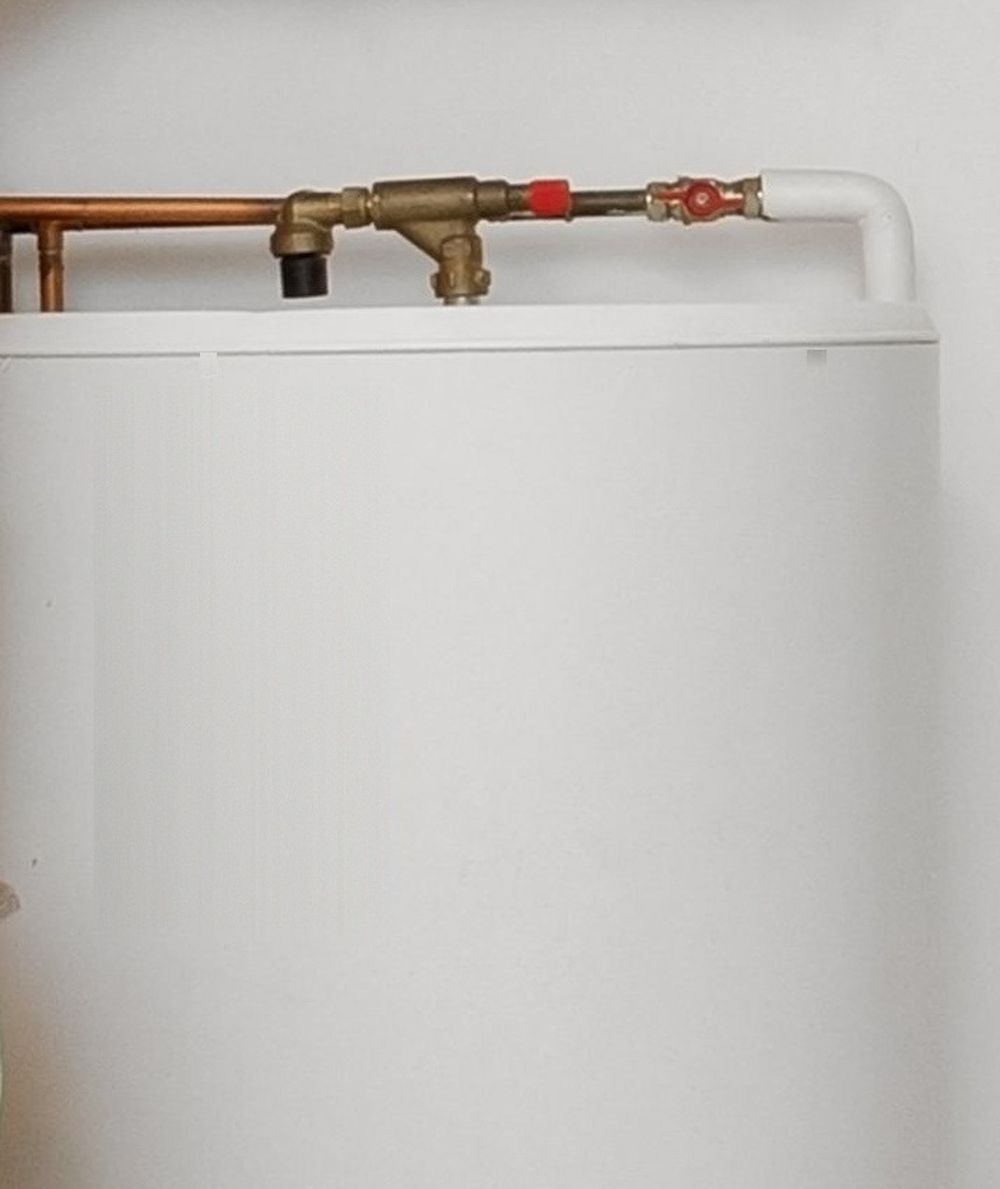
The relief valve is not optional, and it is never capped
The temperature and pressure relief valve on top of the tank is the only thing between a stuck thermostat and a tank of water heated past boiling under pressure. When it drips, it's usually telling you about a pressure problem somewhere else.
Most often that's thermal expansion. A check valve or pressure regulator at the meter leaves heated water nowhere to go, so pressure climbs until the valve lifts. The cure is an expansion tank charged to your actual water pressure, never a cap.
What we measure
Checked on every water heater we touch
Four safety details that get skipped more often than they should.
Above that, a pressure regulator comes first.
And 210°F. Never capped, never plugged.
Pre-charge matched to your supply pressure.
Full size, runs downhill, ends near the floor.
How we do it
How a water heater call goes
Repair when it's worth it, replace when it isn't.
Find the fault
Element, thermostat, gas valve, pilot, or the tank itself.
Check the safety parts
Relief valve, expansion tank, discharge pipe and water pressure.
Price the options
Repair against replacement, including tankless if it suits the house.
Fix and test
Hot water back, safety valve tested and venting checked on gas units.
What it costs
What a water heater costs in Tampa
What moves the price
- Repair or replace: an element or thermostat is a small job; a weeping tank isn't repairable.
- Gas or electric, and whether the venting meets code.
- Tankless retrofits often need a bigger gas line and a new vent.
- Expansion tank and pressure regulator, if they're missing.
The visit charge, up front
There is a diagnostic charge for a service call, and we tell you what it is on the phone before anyone drives out. You keep the written report whether or not you go ahead.
Repairs are priced as a job, part and labor named, and agreed before we start.
Request serviceThe details
Tank, tankless, and the honest comparison
The details that decide how long a heater lasts.
Where the discharge pipe has to end, and why
The pipe from the relief valve carries the one warning you'll ever get. It runs downhill with no trap, stays full size, uses no valve, and ends near the floor with a plain, unthreaded end. A pipe that disappears into a wall or a drip pan turns the warning into a secret.
Sediment and the anode rod
Sediment settles on the bottom and makes the heater work harder. The anode rod is a sacrificial rod that corrodes so the tank doesn't. Replacing it at the right time genuinely extends the tank's life, and almost nobody checks it.
Tankless: an excellent product, oversold
Endless hot water and no floor space. It also needs a much larger gas supply and vent than a tank, descaling on our water, and it does nothing for how long you wait for hot water at a far faucet. We'll quote the real installed cost, gas and venting included.
Two more things we check whether you asked or not
Dielectric unions where copper meets the steel tank, because galvanic corrosion there looks like a tank leak. And on gas units, the venting and combustion air. That's a safety check and we do it anyway.
Questions
Water heater questions
The relief valve on my water heater drips. Can it be capped?
No, never. That valve is the only thing between a failed thermostat and a tank with enough stored energy to go through a roof. The drip is usually thermal expansion, and the fix is an expansion tank.
How long does a water heater last in Tampa?
Tanks commonly last 8 to 12 years here, less with high pressure and no expansion tank, more with a replaced anode rod. A tank weeping at the seam is at the end, whatever its age.
Is tankless worth it?
Sometimes. If the gas line and vent are already suitable and you want endless hot water, it's a good product. If the retrofit needs both, a tank is often the better value, and we'll say so.
More from Copperfield

Tampa · Hillsborough County
Hot water back, and the safety valve checked.
Tell us what the heater is doing. Gas, electric or tankless, we'll say what to check first.