Skip to content

On the full site

We’ll build this page:

This free preview shows the home page. Every page in the menu gets built when you say go.

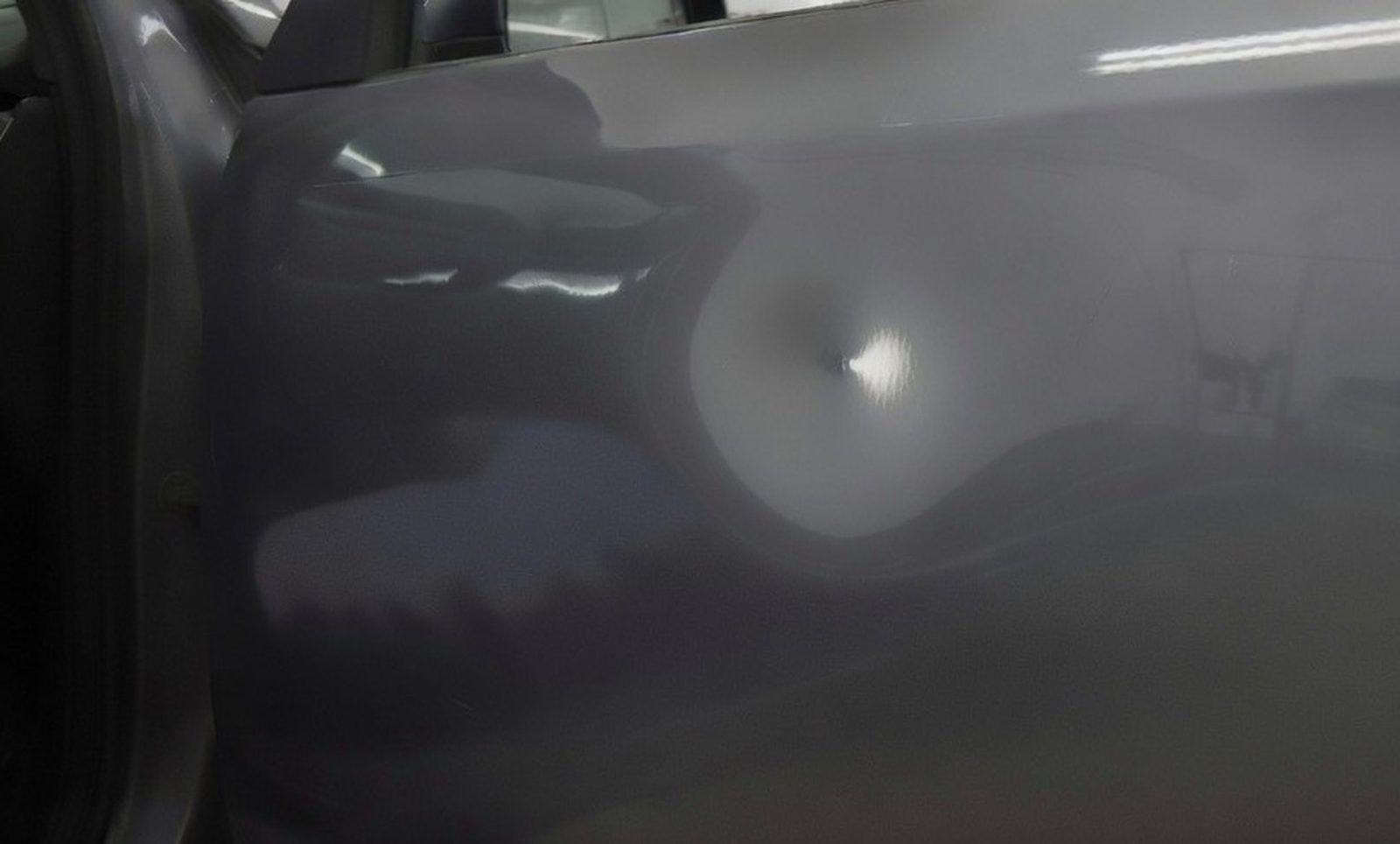
A round dent in a grey car door, a soft light reflected in its centre and the paint unbroken

Paintless dent repair in St. Petersburg

Dents worked out from behind the panel, with your factory paint untouched. Done in your driveway or the lot at work, usually in under three hours.

A written price first

From your photos, before the van rolls. Nothing gets added on site.

A straight no

If paintless won’t work, you hear it before anybody drives.

We come to the car

Your driveway or the lot at work. No shop, no waiting room.

No trip charge inside 25 miles

Past that, the charge is printed on the price.

Is this you?

Dents that paintless repair is made for

A round, soft dent

From a door, a cart or a stray ball, with the paint still whole over it.

Dings along the doors

The small parking-lot dents most cars collect, often several to a side.

Hail on the flat panels

Hood, roof and trunk lid, when the finish over the dents hasn’t cracked.

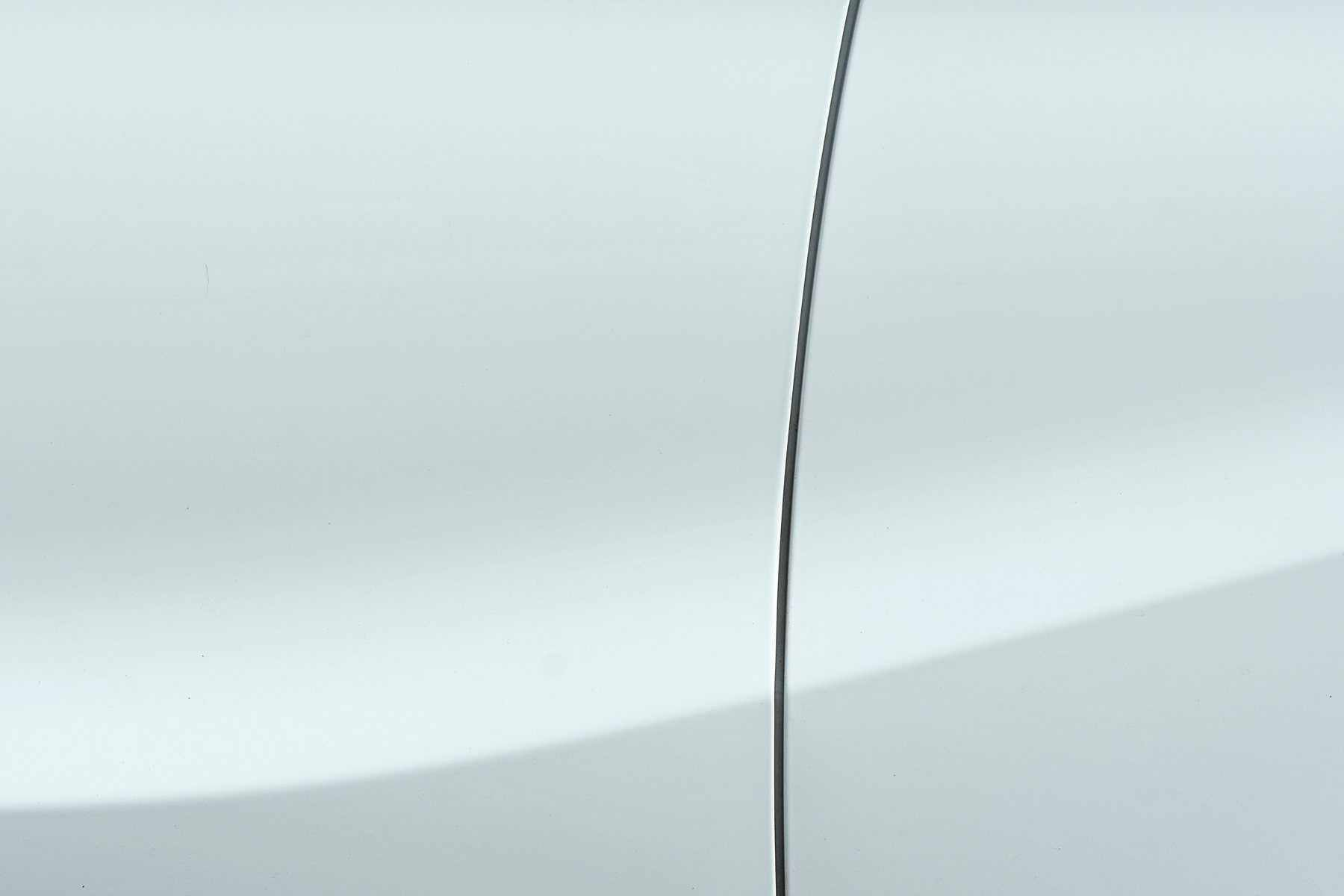
A flawless white car panel, the reflection running straight along a door seam
When the reflection runs straight across the panel again, the repair is done.

The result

Gone, not just better.

A dent worked out properly leaves nothing to fill, nothing to sand and nothing to paint. The metal goes back where it started and the factory finish over it was never disturbed.

That’s why it’s worth checking the paint first: the repair only works while the finish is whole.

How we do it

Four steps, in this order

  1. Read it on the line board

    A striped board goes up beside the panel. Its reflection shows the dent’s shape and whether the paint is cracked.

  2. Find a way in behind it

    Through a window channel, a tail-light opening or trim that unclips. No drilling without asking first.

  3. Work the edges first

    Small pushes around the outside, the deepest point last, so the panel relaxes back instead of crowning.

  4. Tap down the highs

    A knockdown and a light hammer level what’s left, until the reflection runs straight again.

On the day

What the visit needs

The van brings its own power, water and light. All it needs from you is the space below.

Typical time on site
45 min – 3 hr
Where it is done
Driveway or office parking lot
What the site needs
12 ft clear, level ground, shade

When we’ll say no

The four times this isn’t a job for us

You hear these from your photos, before anyone drives anywhere.

The finish is cracked, chipped or touched up

This ends the conversation before it starts. Paintless repair only exists while the paint is whole; push a dent with a split clear coat and the split becomes a tear you can catch a nail on, and the panel needs refinishing that it did not need an hour earlier.

The crease is sharp and the metal is stretched

A round dent has displaced metal. A sharp crease has stretched it, and there is now more panel than there is room for. It can be worked down, but a line stays where the crease was and you will find it in a low sun for as long as you own the car. We would rather say that than take the money.

There is no way to the back of it and no honest way to make one

Bonded, braced, foamed or double-skinned panels sometimes cannot be reached without drilling an access hole or removing structure. If drilling is the only route we tell you first, including what sealing it properly involves, and quite often our advice is to leave it alone.

It has been worked on before, badly

A panel somebody has already pushed too hard, crowned, or filled has different metal to deal with than an untouched one. We will look and be honest about what is recoverable, and sometimes the answer is that the panel needed paint before we ever arrived.

The details

For the people who want every step

Reading it before touching it

The first ten minutes of a paintless repair involve no tools. A line board goes up beside the panel — a board of black and white stripes, or a bar of LEDs, positioned so its reflection falls across the damage — and the tech moves his head and watches what the stripe does. A straight stripe running clean across the panel means flat metal. Where the stripe pinches, kinks or doubles back there is a dent, and the exact way it distorts describes the shape of it: how deep, how wide, whether the edges are sharp, whether there is a high spot pushed up around the low.

You can feel a dent with a hand. You cannot feel any of that. And the reason it matters is that the reflection also shows what the finish is doing: a hairline crack in the clear breaks the reflected line in a way a dent never does, and that is the difference between a job we take and a job we hand to somebody else.

Working it from behind

Nearly all of it is done from the back of the panel. A rod goes in through a window channel, a tail light aperture, a factory drain hole or a gap behind trim that has been unclipped, and the tip of that rod finds the back of the dent by feel and by watching the reflection change as it moves.

Then the metal comes out in a specific order, and the order is the craft. You do not push the middle of a dent. The deepest point is the last thing to move. The outer edges of the dent are under the most tension, so those get worked first, in small pushes, walking around the perimeter and letting the whole area relax inward. Push the center first and the metal has nowhere to go: it crowns, and now there is a high spot in the panel that is considerably harder to get rid of than the original dent was.

Highs get taken down with a knockdown and a light hammer, tapping through a blending punch so the force spreads rather than punching a new mark. Done properly the panel comes back and the reflected stripe runs straight across it again with nothing to see.

Glue pulling, and when it is honest

Some panels have no way in at all. A bonded structure, a foam-filled cavity, a double skin, a brace welded across exactly the wrong place. For those, tabs are glued to the outside of the panel and drawn out with a lifter or a slide hammer, and the high spots that come with a pull are then tapped back down. It is a real technique with real skill in it — hot melt choice, tab shape, dwell time, pull force — and on a modern car it is often the only technique available.

What it should not be is a way of avoiding taking a door card off because it is late. Pulling from the face is a coarser way to move metal than pushing from behind, so where there is access, we use it.

Aluminum

Aluminum panels behave differently enough that they are effectively a separate job. Steel has memory: it wants to return toward where it was, and a good deal of the work is coaxing that tendency along. Aluminum has very little. It goes where you put it and stays there, so every push has to be right, and the panel work-hardens as you go, meaning there is a finite number of passes before the metal starts to resist entirely. Heat gets used to relax it, carefully, because too much heat on an aluminum panel is a different and much worse problem.

All of that means longer, more skill, more risk, and a higher price. A quote that treats an aluminum hood the same as a steel one is a quote from somebody who has not identified the panel.

What a good result looks like

Factory paint, untouched. No filler, nothing sanded, nothing sprayed, no color to match and nothing to fade differently in five years. The original finish is the single most valuable thing on a panel, and the entire point of paintless repair is that it survives.

Questions

What people ask about paintless dent repair

Does paintless dent repair damage the paint?

No. That’s the point of it. The metal is pushed back from behind and the finish is never sanded, filled or painted. It only works while the paint is whole, which is why we check for cracks first.

How much does paintless dent repair cost?

It depends on size, depth and where the dent sits. A dent on a body line or an edge takes longer than the same dent in the flat of a door. Send photos and dispatch comes back with a written price before the van moves.

Can you fix aluminum panels?

Yes, but it takes longer and costs more. Aluminum has less memory than steel and hardens as it’s worked, so it needs more heat and many more small passes.

Send a photo. Get a straight answer.

Dispatch looks at your photos and comes back with a yes, a no, or a written price, usually within the hour. The van comes to wherever the car is parked.

Bots On Staff · built for shops like yours

We built this one. The next one has your name on it.

What the chat on this page is doing

It asks for photographs — straight on, then a low angle with a straight edge reflecting across the damage. Somebody looks at them and comes back with a yes, a no, or a written price.

It takes a name and a number and hands it straight over. Nothing here is held, booked or confirmed, and it will not price the job.

What it costs

website from $1,195, paid oncebots from $149 a month

The whole number, on the page. We build your first page free, on your own name, in 12–48 hrs — you look at it before any money moves.

What comes with it
  • Your Google Business Profile set up
  • Your local directory listings
  • A chat on your website that answers customers day and night
  • Every lead emailed to you
  • Your marketing platform: make posts to your website and your Google Business Profile, all from one place
  • Continuous updates for AI search: your posts go from the platform to your website and your Google Business Profile, keeping your business current for the people searching and the assistants that read it
  • One platform for your posts and leads, where your customers come from, and your ads if you add Google Ads
  • If you add Google Ads: see your Google Ads analytics, your spend each day and your keywords, day by day or across any date range, from the same platform
  • Every bot on staff for your trade
  • Your posts drafted for you to approve, for your website and Google Business Profile. Nothing goes out until you say so
  • The Ad Manager checks your Google Ads spend every morning, if you run ads
  • The referral program
  • The lead form, wired to you
  • The staff tools: scheduling, crew and documents
  • 30 minutes a month of website and Google Business Profile work (Starter has 15 minutes). It does not roll over to the next month.

It does not roll over to the next month.

Mini $49 a month (no bots) · Starter $149 a month (starting with bots) · Growth $249 a month (full bots). The website is priced on its own, paid once.
What you own

The website is yours to keep, on your own domain. The chat and the marketing stop with the service.

Thirty days’ notice, any time. No year, no lock.

One company per area. When yours is taken, it’s taken.

See every price How a build works →

Built by Bots on Staffget yours free

CallCan we fix it?